Last updated November 25, 2026







Free written scope consultation - allowances, timeline, and change-order rules on paper before a single trade is scheduled
Construction Warning Signs: An Everett Homeowner’s Reference Guide
A hairline crack in drywall is almost always nothing. A hairline crack that reappears after patching, in the same place, twice, is a conversation that belongs with a structural contractor, not a painter. That distinction is the whole problem with construction warning signs: the serious ones look almost exactly like the harmless ones, and both homeowners and contractors have reasons to believe the harmless explanation. This guide is written to help you tell the difference in an Everett home, where the climate, the age of the housing stock, and the way projects get bid all create their own patterns of warning. You’ll learn what cracking actually means, what moisture is telling you, how to read a contractor before work begins, and when a material system is signaling that its replacement window has opened.
Quick Answer
Construction warning signs in an Everett home fall into four categories: structural movement (repeating cracks, sticking doors, sloping floors), moisture intrusion (efflorescence, musty crawl space air, bubbling paint), material failure (curling shingles, soft siding, fogged windows), and contractor behavior (vague bids, poor communication, pressure to skip permits). Any single sign deserves attention; two or more appearing together in the same area of the house means it’s time to get a professional opinion before the next rainy season, not after.
Styles & brands we work with
- Kitchen remodeling
- Bathroom remodeling
- Home additions & ADU
- Roofing
- Windows & doors
- Driveway & pavers
- Fence
Table of Contents
- How Do You Tell Cosmetic Cracking From Structural Movement?
- What Do Moisture Signs Look Like in Western Washington Homes?
- Which Contractor Behaviors Predict Project Problems?
- How Do Aging Roofing, Siding, and Windows Warn You Before They Fail?
- What Do Warning Signs Look Like in Older Everett Homes?
- Why Do Permit and Inspection Gaps Matter So Much?
- How Should You Document and Track a Warning Sign?
- Common Mistakes to Avoid
How Do You Tell Cosmetic Cracking From Structural Movement?
Cosmetic cracks are typically hairline, isolated, and stable over months. Structural cracks usually repeat after repair, run diagonally from the corners of doors and windows, or appear alongside doors that suddenly stick and floors that feel like they’ve changed pitch. In Everett’s older housing stock, especially the pre-war homes in the Bayside and Port Gardner neighborhoods, minor settling cracks are common and largely benign. What matters is whether a crack is moving, not whether it exists.
Here’s the pattern we look for when a homeowner asks whether a crack is serious:
- Location. Vertical cracks in the middle of a wall are usually cosmetic. Diagonal cracks radiating from the corner of a window or door opening are more likely to indicate movement, because that’s where stress concentrates.
- Direction and length. A crack that stair-steps along mortar joints in a brick or block wall is more concerning than a straight vertical crack in drywall.
- Recurrence. A patch that fails once is unlucky. A patch that fails in the same place twice is data. Get it looked at.
- Companion signs. Cracks alone are one thing. Cracks plus a door that catches on its frame plus a floor that visibly slopes are three signals pointing the same direction.
- Movement over time. Measure the width of the crack with a pencil mark and date it. If it widens over a season, that’s the difference between settling and ongoing movement.
The key point: don’t ask a painter to diagnose a structural crack, and don’t let a cosmetic patch convince you the conversation is closed. If the pattern repeats, the next call belongs to someone who can read the structure, not just the drywall. Once a structural issue is stabilized, the cosmetic repair and finish work are straightforward – and that’s the stage where a full-scope remodeler can take over and handle everything from drywall to trim, which is the kind of coordination Remodeling Everett handles as one contractor relationship.
What Do Moisture Signs Look Like in Western Washington Homes?
Efflorescence is the white, powdery deposit that appears on concrete or block foundations when water moves through the material and evaporates on the surface, leaving dissolved salts behind. In a Western Washington home, it’s a directional signal: it tells you where water is traveling, even if the surface looks dry today. And a musty smell in a crawl space is never just a musty smell. It’s the odor of active biological growth, which means moisture has been present long enough to support it.
Everett’s wet season is long, and the homes here are often built on crawl spaces rather than slabs, which makes the foundation and substructure a critical inspection point. The moisture warning signs worth writing down:
- Efflorescence on foundation block or concrete. Map where it appears; it points to water entry paths on the exterior side of that wall.
- White or gray fuzzy growth on floor joists. Visible growth means a sustained moisture problem, not a one-time wet season event.
- Bubbling or peeling paint on exterior siding. Paint fails from the back side out; bubbling usually means water behind it.
- Musty odor on the main floor after rain. The crawl space is often the source, even if you can’t see it from above.
- Soft or spongy subfloor near exterior walls. This is a late signal, and it’s expensive when ignored.
- Attic sheathing staining. Roof leaks often show first as stains on the underside of the roof deck, not on the ceiling below.
Roofing materials in this climate don’t fail from heat the way they do in sunnier regions. They fail from moss, debris in valleys, and persistent wetting through failed flashings. When a roof reaches the end of its service life here, the replacement materials we work with – GAF, CertainTeed, Owens Corning – each carry manufacturer warranties and installation specs that matter more than the brand name alone. What goes on the roof is only as good as what’s under it.
Which Contractor Behaviors Predict Project Problems?
Most project problems show up in the bid and the communication pattern before a single nail is driven. Homeowners often attribute warning signs to personality quirks or “the way the industry works,” but the patterns are surprisingly consistent. If the bid is vague, if the scope is undocumented, or if the contractor resists written change orders, those are predictors, not quirks.
The behaviors worth noticing in the bidding phase:
- A bid with no line-item breakdown. A single lump sum tells you nothing about scope. Ask for line items by trade and by material. If you can’t tell what’s included, you can’t compare bids or spot gaps.
- No written scope, only verbal descriptions. “We’ll do the countertops” is not scope; it’s an impression. The material, edge profile, and brand should be written down.
- Pressure to start before permits. In Everett, most structural, electrical, and plumbing changes require a permit. A contractor who wants to skip that step is telling you something about how they’ll handle the rest of the job.
- Slow, vague responses during bidding. If communication is already hard before the contract, it will get harder once money is involved.
- No mention of inspections or sequencing. A serious contractor knows the inspection schedule for the work in your home before the contract is signed.
- Brand names that change between the bid and the contract. If the specified cabinet line or countertop brand changes without explanation, ask why.
One pattern we see repeatedly: homeowners comparing three bids find one far lower than the others and assume it’s the best deal. It usually means the scope is smaller, not the price. The most useful comparison is between bids with identical written scope and specified materials. When the products and scope are specified the same way – whether it’s KraftMaid cabinetry or Cambria quartz – the bids become comparable and the contractor’s assumptions become visible.
How Do Aging Roofing, Siding, and Windows Warn You Before They Fail?
Roofing, siding, and windows all give warning before they fail, and the warning window is almost always cheaper to act on than the failure. The trick is knowing what the warning looks like at each stage, and being willing to act on the earlier signal rather than waiting for the dramatic one.
Roofing. Roof materials in this climate age from the valleys and flashings first. Warning signs include curling or lifted shingle edges, granules collecting in the gutters, flashing that’s been repaired more than once, and moss growth that keeps returning after cleaning. Acting on those signs usually means a planned replacement. Waiting usually means a deck repair or interior water damage added to the same job.
Siding. James Hardie fiber cement siding doesn’t rot the way wood does, but the joints, caulking lines, and paint film are where siding systems fail. Warning signs include caulk that’s pulled away from trim, paint that’s bubbling rather than just fading, and soft spots you can feel when you press on the siding. Address these early and the siding stays serviceable; wait and the sheathing behind it becomes part of the job.
Windows. Single-pane windows and older double-pane units fail in slow, visible stages. Fog or condensation between the panes means the seal is gone. A window that won’t close cleanly or that shows moisture staining on the interior frame is telling you the assembly is past its service life. Therma-Tru and PGT entry and window products offer modern seals and glazing; comparing a specification before you decide to replace gives you real options rather than a single default.
The pattern across all three categories is the same: act at the warning stage and the work is a planned replacement; act at the failure stage and the work becomes a repair plus a replacement, with interior remediation attached to it. In our experience, the warning stage is when homeowners have the most leverage over scope and timing.
What Do Warning Signs Look Like in Older Everett Homes?
Older Everett homes – the kind still holding original wiring, cast iron drain lines, and single-pane windows – give warning in ways newer construction doesn’t. The warning isn’t usually dramatic. It’s a dim light, a slow drain, a window that fogs on the inside, and a breaker that trips on the same appliance every time. Each of those is the visible tip of a system that’s past its designed service life.
What to look for when the home has original systems still in service:
- Wiring. Flickering lights on a circuit, warm outlets, or a breaker that trips on a specific appliance are signals to have the wiring evaluated. Electrical work in an older home is a licensed professional’s job – a warning sign is information, not a DIY invitation.
- Cast iron plumbing. Slow drains throughout the house, not just one fixture, often point to a cast iron line that’s scaled or failing internally. A camera inspection tells you what’s actually going on.
- Single-pane windows. Condensation on the inside glass in winter, cold drafts off the frame, and difficulty opening or latching windows are the warning signs. Each is repairable; taken together, they usually point to a window replacement conversation.
- Panel age and capacity. A panel that’s been added to repeatedly without a clear load calculation is a conversation for an electrician, not a homeowner with a screwdriver. Treat the panel as a professional-only zone.
- Original knob-and-tube or early wiring in attic spaces. If you’re planning an attic renovation or ADU addition, have the existing wiring mapped before the design work, not after.
When you’re ready to act on these signals, the right sequence matters: safety systems first (electrical, plumbing), then structure and envelope, then finish work. A home remodeling project that touches more than one system is exactly when a single point of accountability helps most. Interior systems and finishes are handled alongside exterior envelope work, which is the structure kitchen remodeling and bathroom remodeling projects fit into when they’re part of a larger scope.
Why Do Permit and Inspection Gaps Matter So Much?
Permits and inspections are the difference between work that’s documented and work that isn’t. In Everett, structural changes, electrical, plumbing, and gas work generally require permits, and the inspection schedule verifies that the work in the walls meets code before it’s covered up. Skipping permits doesn’t save money – it moves the risk to you, often years later when you sell or when an insurance claim depends on documented compliance.
What to verify before work starts:
- Confirm which permits are required for your project. Ask your contractor to tell you; a serious one will know before the contract is signed.
- Look at the permit card before demolition begins. The permit should be pulled, posted, and visible on-site.
- Expect inspections at the right stages. Rough framing, electrical, and plumbing inspections happen before drywall; final inspections happen at the end. If the schedule skips those stages, ask why.
- Keep the inspection records. They’re part of the home’s documented history and they’re useful when you sell.
- Ask about change orders in writing. Permitted scope changes should be reflected in a written change order, not a verbal agreement.
A warning sign worth noting in contractor behavior: reluctance to discuss the permit schedule at all. It’s rarely a filing error; it’s usually a scope that won’t pass inspection as drawn. Ask early.
How Should You Document and Track a Warning Sign?
Documenting a warning sign turns an impression into evidence. A crack that’s been photographed, dated, and measured is a data point a professional can actually work with. A musty smell with no photos of the efflorescence on the foundation wall is harder to diagnose. The habit worth building: photograph, date, measure, and record what changed in the home at the time the sign first appeared.
A simple tracking routine:
- Photograph the sign with something for scale. A coin or a tape measure against the crack gives a future reader a real number.
- Note the date and the weather. In Everett, moisture signs often appear or worsen during the wet season; the timing is diagnostic.
- Measure cracks at a fixed reference point. Mark the same spot each time with a pencil and a dated label.
- Note what else changed. A new roof, a remodel, a heavy rain event – these give context the contractor needs.
- Bring the record to the estimate. A photograph and a timeline are more useful than a verbal description.
The final point is the one homeowners tend to skip: bringing the record to the estimate. Free estimates turn into useful estimates when the contractor can see what you’ve documented. A written line-item quote against documented scope is the strongest position a homeowner can hold, and it’s the reason we start every estimate that way.
Common Mistakes to Avoid
- Patching a repeating crack without diagnosing it. A patch that fails twice is a diagnosis problem, not a paint problem. Get the structural question answered before the cosmetic repair.
- Treating a musty crawl space as normal for Everett. Mustiness is biological growth telling you there’s a moisture problem. In our climate, it’s a signal, not a house quirk.
- Choosing a bid on price alone without comparing scope. A low bid usually means a smaller scope, not a better price. Compare line items, materials, and specified brands.
- Skipping the permit conversation. Ask which permits are required and confirm the inspection schedule before you sign. A reluctant answer is a warning sign of its own.
- Replacing windows or a roof without addressing the moisture behind them. If the sheathing or drainage is failing, the new materials will inherit the same problem.
- Letting a warning sign wait for “someday.” The warning stage is the cheapest time to act. The failure stage is the most expensive.
- Assuming cosmetic fixes mean the warning was imaginary. If a patched crack or replaced caulk looks fine for one season, keep watching through the next wet season before you conclude it’s finished.
See the difference
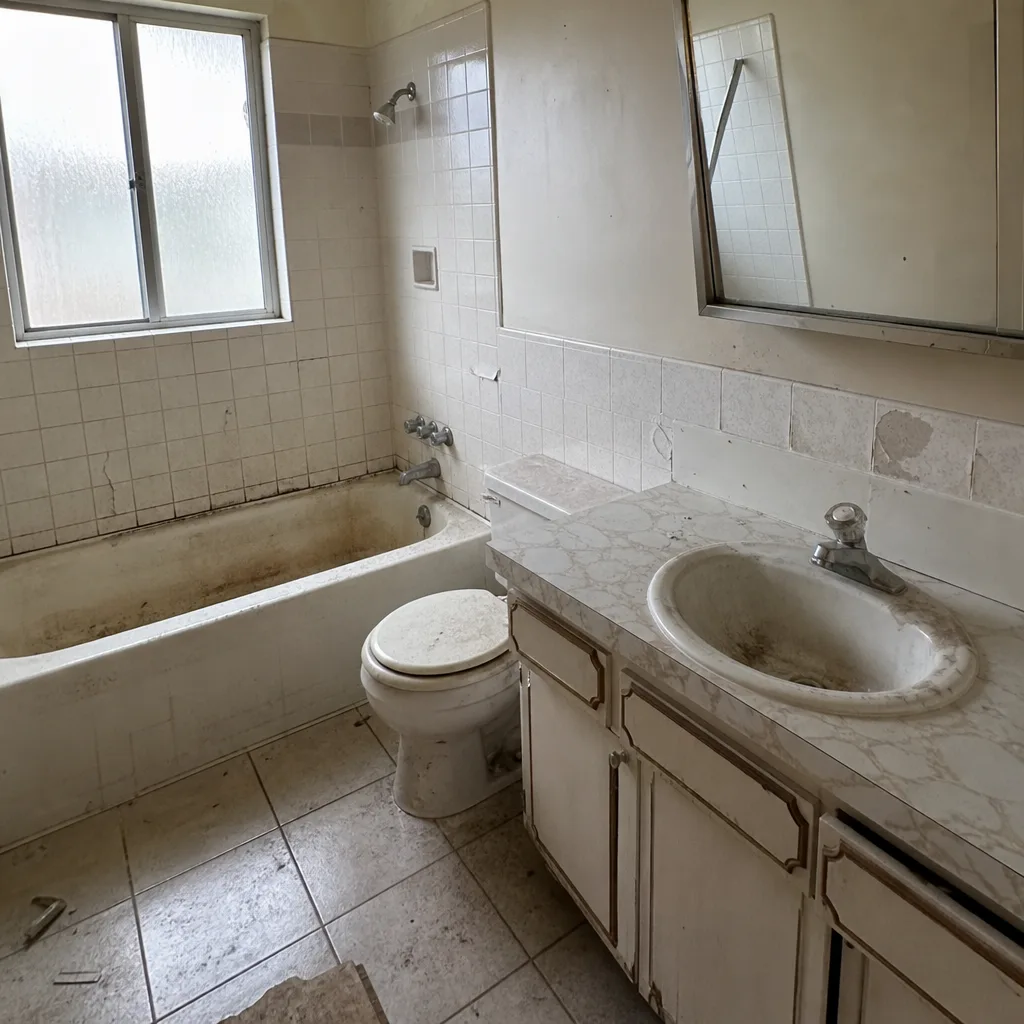 Before
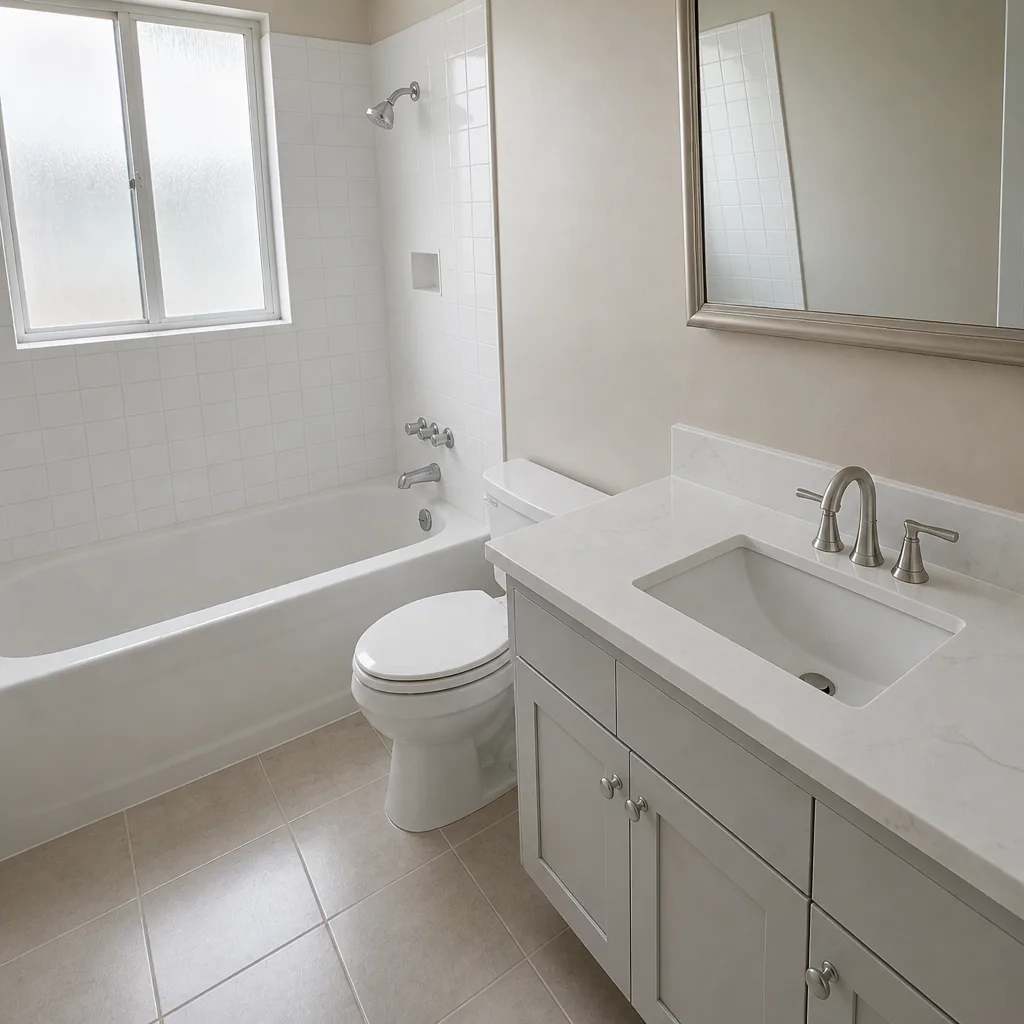 After
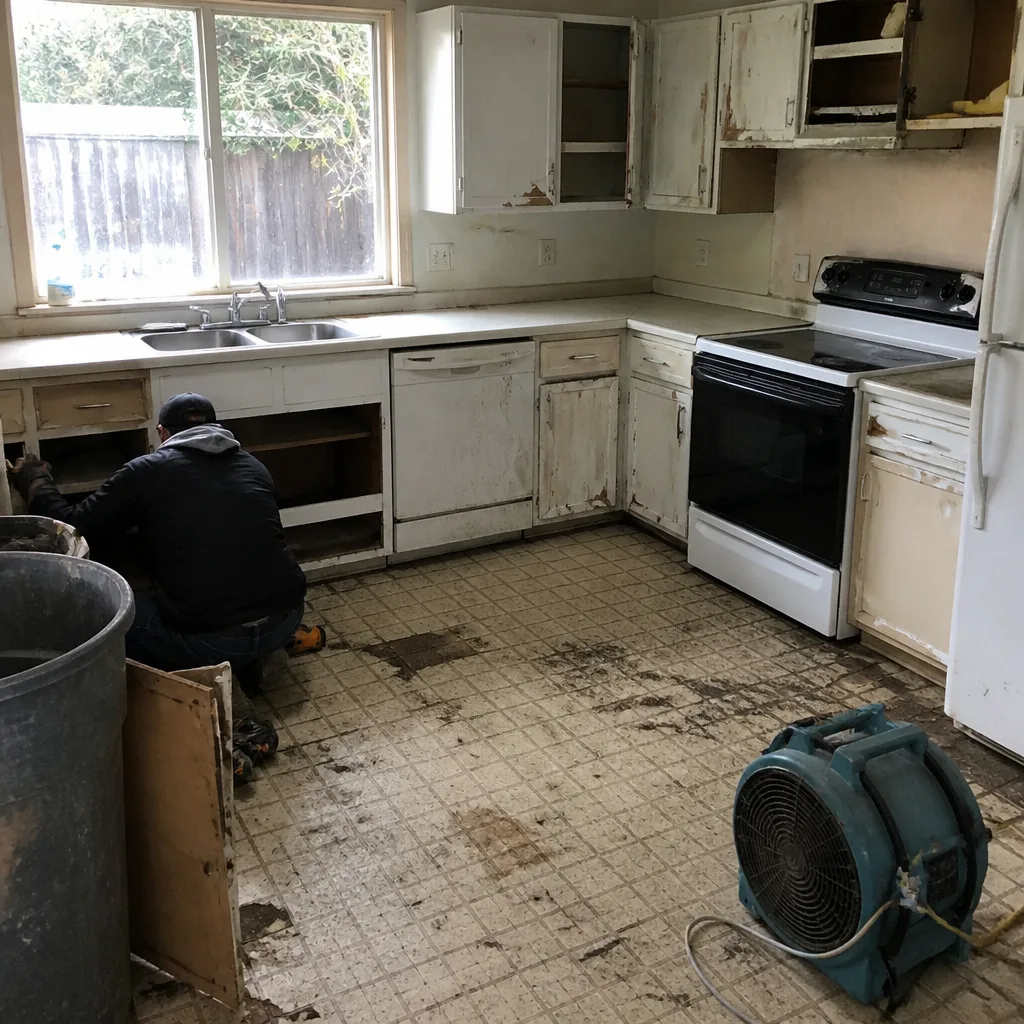 Before
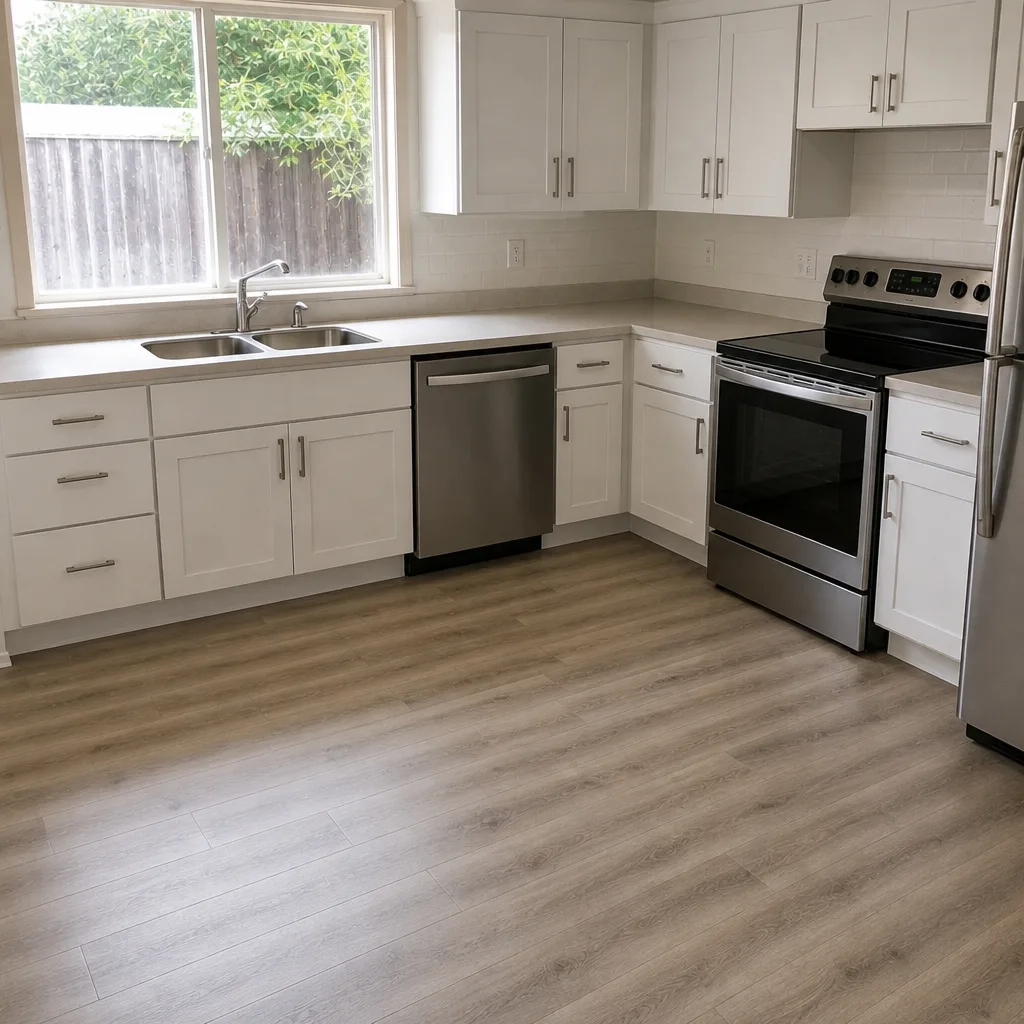 After
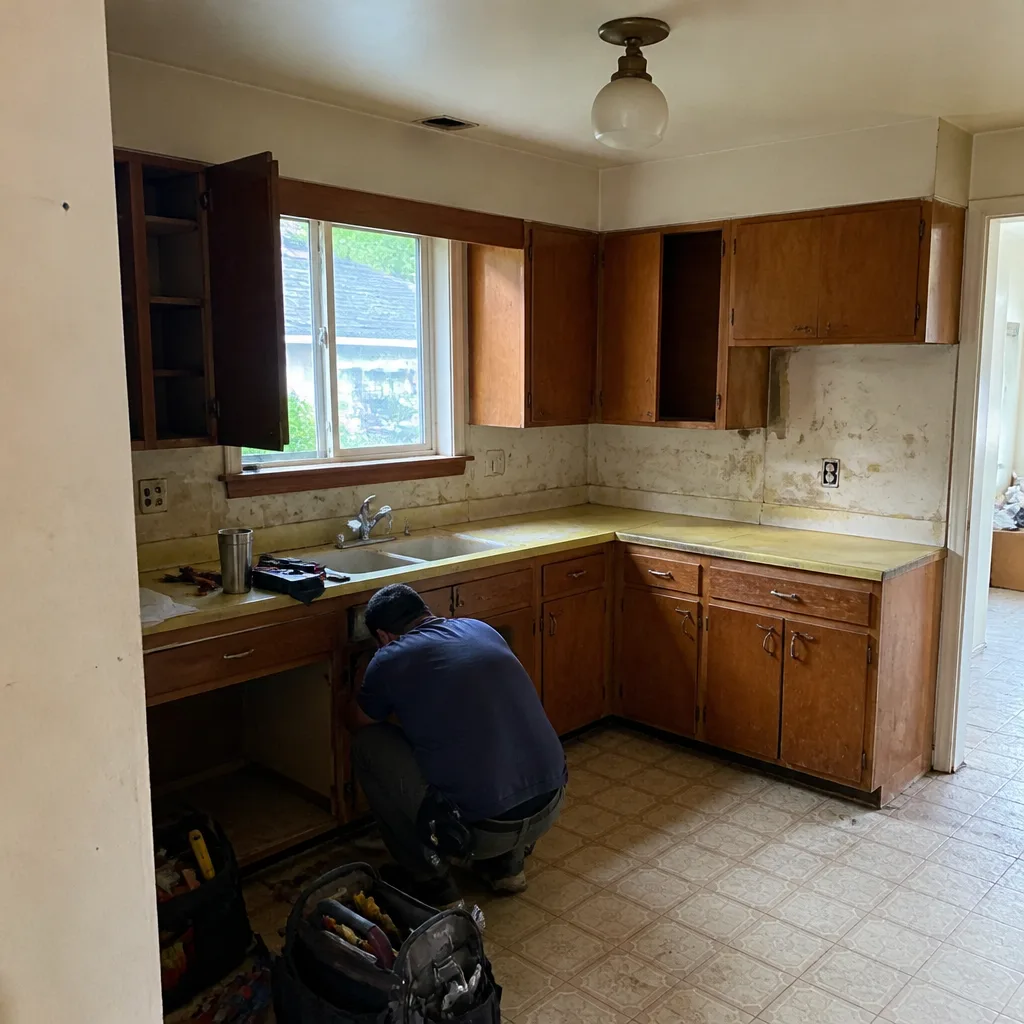 Before
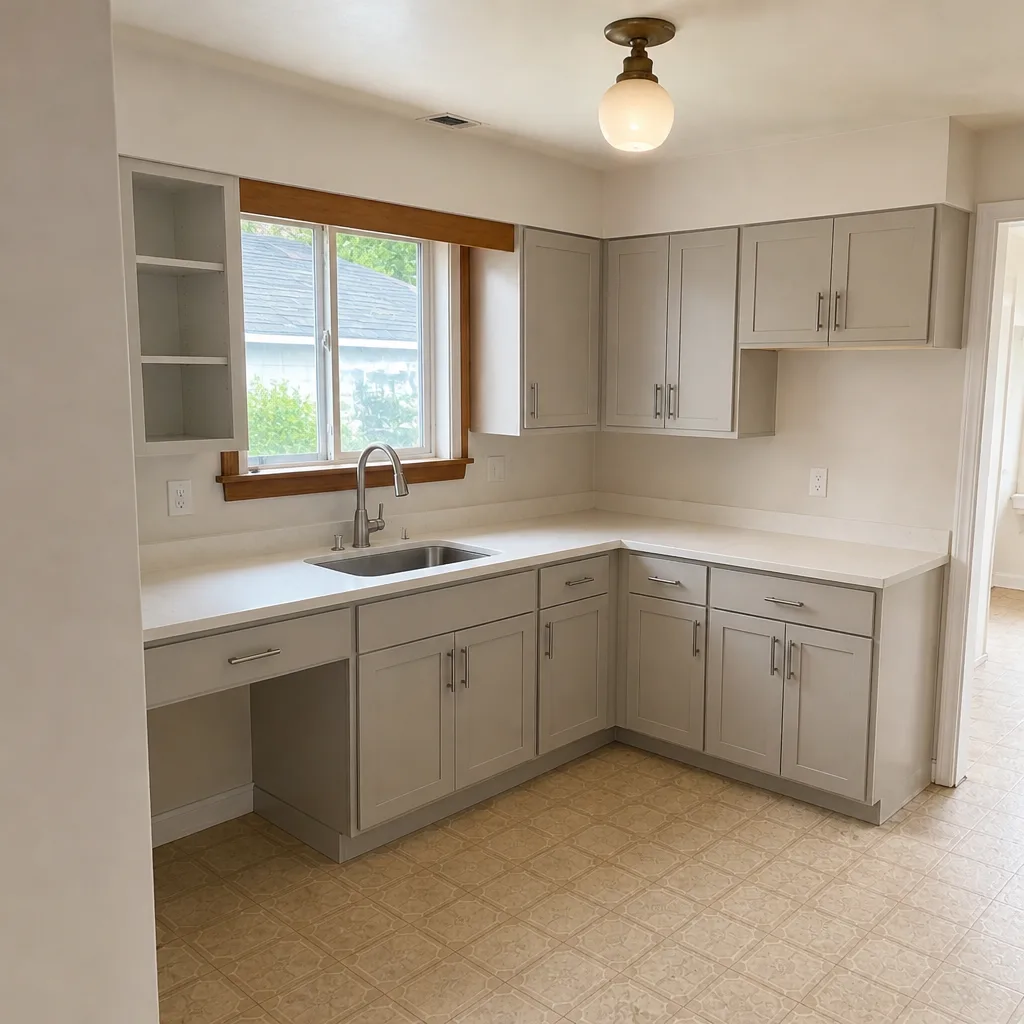 After
When to Call a Professional
Call a professional when two or more warning signs appear in the same area of the home, when a repaired crack reappears in the same place, when moisture signs appear on the foundation, when roofing or siding is at the end of its service life, and whenever electrical, plumbing, or structural work is involved. Safety work in those categories is not a homeowner project, no matter how much the fix looks simple. The professional evaluation is the cheap step; the cost of guessing is the expensive one.
Remodeling Everett offers free estimates in Everett – call (425) 366-8456. We answer 24/7. Fast dispatch from 7am to 7pm, Sunday through Friday. Every estimate is a written, line-item quote, and the written estimate sets the final price. Our technicians have up to 15 years of experience, and we work with a broad lineup of recognized product brands across every major category of home remodeling – KraftMaid and Wellborn cabinetry, Cambria, Silestone, and Caesarstone countertops, Kohler, Moen, Toto, and Grohe fixtures, GAF, CertainTeed, and Owens Corning roofing, James Hardie siding, Therma-Tru and PGT windows and doors, and hardscape paver lines from Belgard, Unilock, Tremron, Techo-Bloc, and Cambridge Pavers. ADU and prefab projects through Abodu, Dvele, Mighty Buildings, Boxabl, and Plant Prefab are part of the scope too. One contractor relationship across interior and exterior work is the structure we stand behind.
Frequently Asked Questions

An initial evaluation from a remodeling contractor is typically free, and that’s what we offer. The cost of the actual work, if any, is set by a written estimate after the evaluation. Call (425) 366-8456 for an exact quote – estimates are free.
No. A single, stable, vertical hairline crack in drywall is usually cosmetic and often follows minor settling in older homes. The crack that deserves attention is the one that repeats after repair, runs diagonally from a door or window corner, or appears alongside sticking doors or sloping floors. When in doubt, document it with a photo and a date so a professional can judge whether it’s moving.
Musty crawl space air in a Western Washington home is a sign of ongoing moisture that supports biological growth. The underlying cause could be poor drainage, missing vapor barrier, or water entry through the foundation, and the fix depends on which of those is happening. Have it evaluated before you cover the smell with ventilation or deodorizers.
Efflorescence is the powdery white residue left behind when water moves through concrete or block and evaporates on the surface. It tells you water is traveling through that part of the foundation, even if the wall looks dry. Map where it appears and have a contractor trace the water path from the exterior side.
Often yes, and the right answer depends on what’s actually failed. A window with a lost seal may only need that unit replaced; siding with pulled caulk lines may only need resealing. A roofing or siding replacement decision should come after comparing specification options – GAF, CertainTeed, and Owens Corning roofing lines each spec differently, and the written estimate will reflect what’s actually needed. Call (425) 366-8456 to schedule a free evaluation.
No, not when the scope is documented in a written line-item estimate and the change order process is in writing. The written estimate sets the final price for the scope it describes, and any scope change during work is reflected in a written change order signed before that change begins. If a contractor won’t commit to that in writing, treat it as a warning sign at the bidding stage.
Yes. In Everett, most structural, electrical, and plumbing changes require permits, and the work is inspected at the appropriate stages. The permit and inspection record is part of the home’s documented history. Call (425) 366-8456 and we’ll walk through which permits your project needs before the estimate is written.
Timing depends almost entirely on scope: a moisture remediation and crawl space work is different from a window replacement, which is different from a full envelope and interior project. The schedule is part of the written estimate, so ask for it as line items rather than a single vague promise – and if the answer is vague, ask again.
The Bottom Line
Construction warning signs in an Everett home are quiet and easy to rationalize. Repeating cracks, foundation efflorescence, musty crawl space air, bubbling paint, fogged windows, and slow drains are information, not noise. Contractor behaviors – vague bids, skipped permits, poor communication – are warning signs that arrive before work begins and give you the cheapest possible chance to walk away. Document what you see, act at the warning stage rather than the failure stage, and bring the record to a free estimate. The warning stage is when you have the most leverage over scope, materials, and timing. If a sign has been on your list for more than one season, it’s time to stop adding to the list and start acting on it.
Call (425) 366-8456 for a free estimate on any warning sign in your Everett home. We answer 24/7. Fast dispatch from 7am to 7pm, Sunday through Friday. Free estimates, written line-item quotes, and permits pulled with inspections passed are part of every project we take on.
Written by the team at Remodeling Everett.