Last updated November 25, 2026






Free written scope consultation - allowances, timeline, and change-order rules on paper before a single trade is scheduled
Seasonal Construction Care for Everett: Year-Round Homeowner’s Guide
Most homeowners in Everett assume the mild climate here is easy on a house. No hard freezes most years, no blistering summers, no hail to speak of. But the rain is the whole story, and it isn’t dramatic, it’s relentless. Over 34 inches a year, with most of it falling October through April, is not weather you endure once. It’s a slow, patient test of every seam, joint and flashing on your home, repeated every single wet season. The homes that hold up best in Everett aren’t the ones with the most expensive materials. They’re the ones whose owners understand what that rain does to the building envelope, year after year, and handle the small things before they become big ones. This guide walks through each season, what to check, when to schedule real work, and how to think about it all without a spreadsheet.
Quick Answer
Seasonal care in Everett means working with the rain, not against it. The wet season from October through April is when you inspect, monitor and document, and the dry summer window is when you schedule exterior construction like roofing, siding, decking and painting so materials can install and cure under the right conditions. Fall prep before the rain arrives, winter monitoring inside the home, and spring diagnosis of what the wet season revealed all feed one summer work plan.
Styles & brands we work with
- Kitchen remodeling
- Bathroom remodeling
- Home additions & ADU
- Roofing
- Windows & doors
- Driveway & pavers
- Fence
Table of Contents
- Fall: Getting Ready Before the Rain Settles In
- What the Dry Season Actually Means in Everett
- Winter: Monitoring the Home During Heavy Rain
- Spring: The Diagnostic Season
- Interior Work Doesn’t Wait for Summer
- Why One Contractor Who Knows the House Matters
- Common Mistakes to Avoid
- Frequently Asked Questions
Fall: Getting Ready Before the Rain Settles In
Fall is the season that decides how the next six months go. The good news is that most of the important work is inspection and small repairs, and it’s much cheaper to handle now than after water has been finding its way inside for weeks.
The first priority is water management at the roof line. Gutters and downspouts need to move a serious volume when the rain comes in steady for days. When they’re clogged, water backs up under the shingles or spills against the foundation. When a downspout dumps too close to the house, that water soaks the soil against the wall and finds the crawl space.
- Clear gutters and check that every downspout actually carries water away from the foundation, not into a puddle beside it.
- Inspect the crawl space vapor barrier. A torn or shifted barrier lets ground moisture rise into the structure all winter.
- Look at every roof penetration, the boots around vent pipes, the chimney flashing, the skylight seals, and re-caulk anything that has cracked or pulled away.
- Walk the perimeter and check that soil slopes away from the foundation rather than toward it.
- Look at exterior paint and caulk joints at windows and doors. Small gaps let water in behind the siding where you can’t see it.
That fourth item is the one people skip. In the older neighborhoods around downtown Everett and the Bayside area, homes often sit on lots where the grade has settled over the years, and the soil now pitches slightly back toward the house. A few hours with a shovel fixing the grade can prevent a winter of crawl space moisture.
If the inspection turns up something bigger than caulk, like failing flashing or a roof at the end of its life, that’s a conversation to have now, because the summer window fills up. Roofing material partnerships with GAF, CertainTeed and Owens Corning give you real options when the time comes, but the scheduling has to happen months ahead.
What the Dry Season Actually Means in Everett
Everett’s summer isn’t just pleasant, it’s structurally important. The dry months are when exterior materials can be installed and finish correctly, and that window is narrower than most homeowners realize once you account for contractor schedules and the fact that the whole region wants work done at the same time.
Here’s what “dry” really means for construction. Paint needs a stretch of dry, moderate weather to cure properly rather than trapping moisture behind the film. Siding and decking need dry framing behind them so you aren’t sealing damp wood inside a wall. Roofing when done right needs dry decking underneath. None of that is optional if you want the work to last through the next wet season.
- Roofing and re-roofing: best done in the dry season so the decking is sound and the underlayment seals correctly.
- Exterior painting: needs a dry, stable stretch for the coating to cure, not just a dry afternoon.
- Decks and hardscape: concrete and paver installation depend on proper base preparation and curing, which rain disrupts.
- Siding: James Hardie fiber cement installs best when the wall assembly stays dry behind it.
- Windows and doors: swapping openings and sealing them properly is far easier without water driving into the wall.
The practical takeaway is that summer is when exterior work should be scheduled, which means spring is when it should be planned. Homeowners who start getting estimates in June for a project they want done that same summer are often surprised to find the good crews already committed. If your exterior project matters to you, the estimate conversation belongs in late winter or early spring. That’s also why the schedule for exterior work in and around Everett fills so fast, and why an early plan is really a form of patience.
Winter: Monitoring the Home During Heavy Rain
Winter is not a season for building in Everett, it’s a season for watching. The goal is to catch water intrusion early and document it thoroughly so you can describe it to a contractor in spring, rather than discovering a stain in July and trying to remember when it started.
During heavy rain events, walk the interior after the storm moves through and check the ceilings, the tops of exterior walls, the areas around skylights and chimneys, and the base of any exterior walls. Look in the crawl space for standing water or damp soil. Pay attention to window frames, where condensation can mask or mimic a leak. If you find a damp spot, photograph it, note the date and approximate weather, and mark the outline with painter’s tape so you can tell whether it’s spreading.
Documentation matters more than people expect. By the time a contractor comes out to look in dry weather, the evidence may be gone. A photo, a date and a taped outline turn a vague “I think it leaked once” into a specific problem that can be traced and fixed. If water is actively coming in, that’s different, and you should call right away rather than wait for the storm to pass.
If you do need help during a wet stretch, call (425) 366-8456. We answer 24/7. Fast dispatch from 7am to 7pm, Sunday through Friday. A call outside dispatch hours is booked into the next opening.
Winter is also a good time to start planning the interior side of your project. You can’t paint the exterior or roof in a downpour, but you can walk a plan for next year’s kitchen remodeling while the rain is on the windows, and you’ll have a much better idea of what you want by the time the weather cooperates.
Spring: The Diagnostic Season
Spring is when the house tells you what the winter did to it. The rain eases, the ground dries, and the evidence from the wet season becomes readable. This is the season to prioritize, because whatever you want to build that summer needs to be scheduled now.
Start with a full walkaround once the ground has dried. Look at the sidewalk and driveway, the exterior walls, the roof from the ground with binoculars, and the soil against the foundation. The issues that were invisible in the rain are often obvious after it.
- Check the grade again and confirm water is moving away from the foundation.
- Look for paint or siding that has peeled, bubbled or warped, especially on the side of the house that gets the most weather.
- Inspect the roof from the ground for missing, lifted or curled shingles and check the flashing areas.
- Recheck the crawl space for moisture and confirm the vapor barrier is intact.
- Look at your paint and caulk lines around windows and doors for gaps that widened over winter.
- Photograph anything that concerns you, then use the photos to get estimates.
With your list in hand, talk to a contractor about timing. What is critical this summer, and what can wait until next year? A plan that prioritizes by water penetration and structural risk beats one that just starts with the most visible project. Once you have that order, get estimates and put the work into the calendar, because the good summer slots go quickly.
Spring is also a comfortable time to think about the interior side of the ledger, like a bathroom remodeling project that can run while the exterior work is being scheduled. One project can start while the other waits for its window, and that’s a good use of the season.
Interior Work Doesn’t Wait for Summer
Here’s a point most seasonal care advice misses: interior work can happen almost any time of year. The wet season is actually a great time to tackle kitchens, bathrooms and flooring, because the crews are inside and the weather doesn’t affect the install.
The one caveat is moisture. If a winter has left damp in the crawl space or the framing, that needs to be resolved before you install new flooring or cabinetry over it, since none of those materials want to sit over active moisture. Once you’ve confirmed the house is dry inside, the interior project can go forward. Kitchen cabinets from KraftMaid and Wellborn, countertops from Cambria, Silestone or Caesarstone, and plumbing fixtures from a range of quality brands can all be selected and installed during a rainy stretch without any weather risk.
Interior and exterior are often one project. A homeowner planning a home remodeling scope that touches the kitchen, the bath, the siding and the deck will get more done, with better coordination, if it’s all planned once. You aren’t juggling a roofer, a painter, a flooring installer and a cabinet shop separately. One plan, one schedule, one point of accountability.
One more local reality: a lot of homes in Everett have small, tight floor plans compared to newer builds. A spring interior plan often involves rethinking how the rooms relate to each other, not just swapping finishes. That takes a few conversations and some planning time, which means winter and early spring are the right moments to start.
Why One Contractor Who Knows the House Matters
A house isn’t a set of unrelated parts. Water that comes in at the roof and runs down behind the siding and into the crawl space is one problem seen in three places, and fixing each place separately usually means missing the cause.
This is where a whole-home relationship pays off. When the same team has worked on the roof, the siding, the interior, and the crawl space, they know the history of the house. They know which side gets the weather, where the flashing has failed before, how the house drains, and where previous work was done. That history is worth more than any single trade’s skill, because it lets someone solve the underlying problem instead of patching a symptom.
When you re-start with a new contractor on every project, you re-explain the house every time. The new roofer doesn’t know the siding was done two years ago. The new painter doesn’t know about the moisture behind the kick plate. That’s where projects drift and small problems get missed. When one company connected you to local professionals across every scope, from remodeling Everett services to the exterior work, the knowledge stays in one place.
That’s also why our lineup of 50+ recognized product brands matters for seasonal care. When we’re looking at a failing window, you have real choices from Therma-Tru and PGT rather than one default. When the kitchen is being redone, the countertop options from Cambria, Silestone and Caesarstone can match your budget and your aesthetic. The materials should fit the house, not the other way around. For the exterior, we can talk about how James Hardie siding performs specifically on the walls that take the most weather, or which paver line makes sense for a driveway that has to drain well through a wet season.
Common Mistakes to Avoid
- Waiting for a leak to become obvious. By the time you see a stain on the ceiling, the water has been traveling for a while. Inspect in fall before the rain starts, and monitor during the wet season.
- Cleaning gutters but not checking the drainage path. Clear gutters that dump into a soggy spot beside the foundation are still a problem. Check where the water goes, not just that it leaves the roof.
- Assuming the crawl space is fine because you can’t see it. A wet crawl space is the single most common source of long-term damage in Everett homes, and it’s invisible from inside the house. Check it every fall.
- Scheduling exterior work in summer without planning in spring. The best weather is also when everyone else wants work done. If you want a roofing, siding or painting project this summer, start the conversation in late winter or early spring.
- Trying to paint or install in the wet season. It traps moisture behind the finish and looks fine for a while, then fails. Wait for the dry window or do interior work instead.
- Documenting nothing. A damp spot you photograph and mark in January tells a contractor far more in June than a memory. Tape and a phone camera are the cheapest diagnostic tool you have.
- Treating every project as a separate, isolated job. Roof, siding, crawl space and grading are one water story. A single plan prevents the gaps between trades where problems fall through.
See the difference
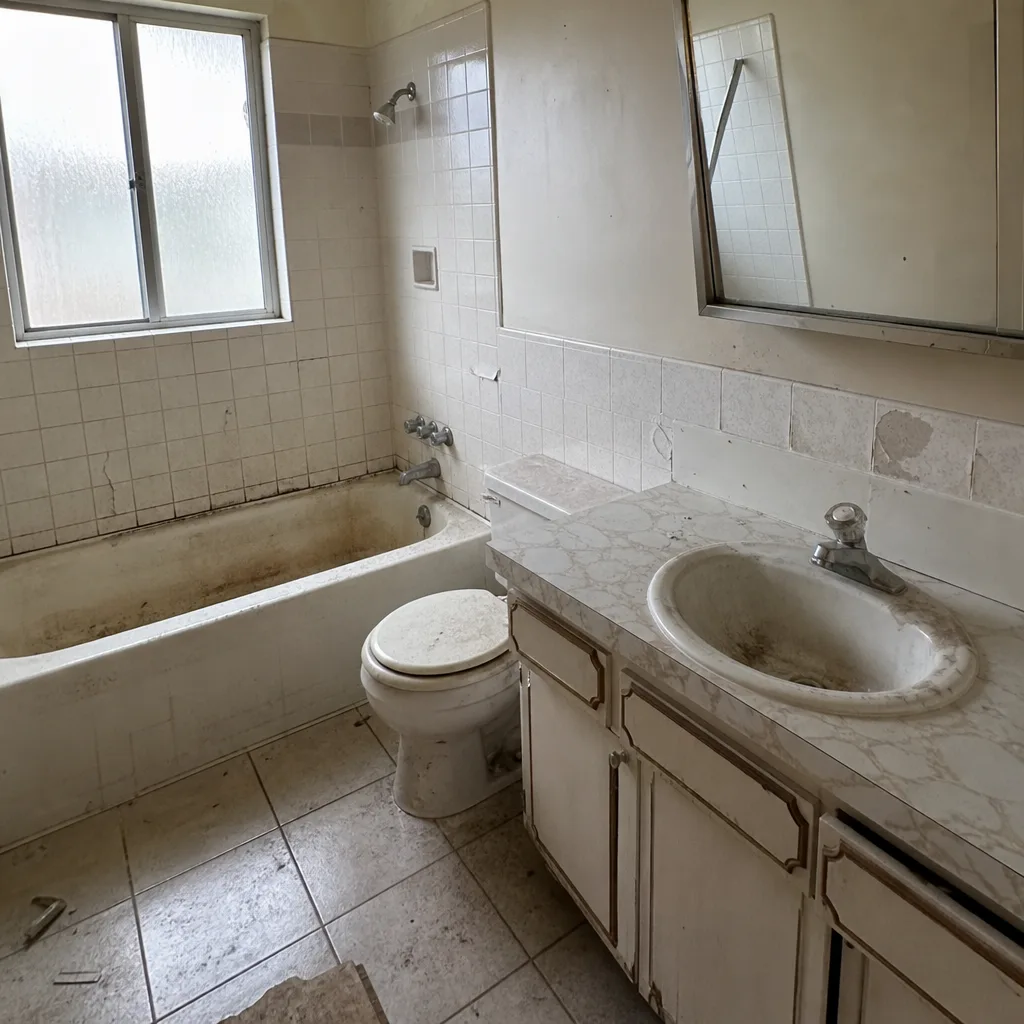 Before
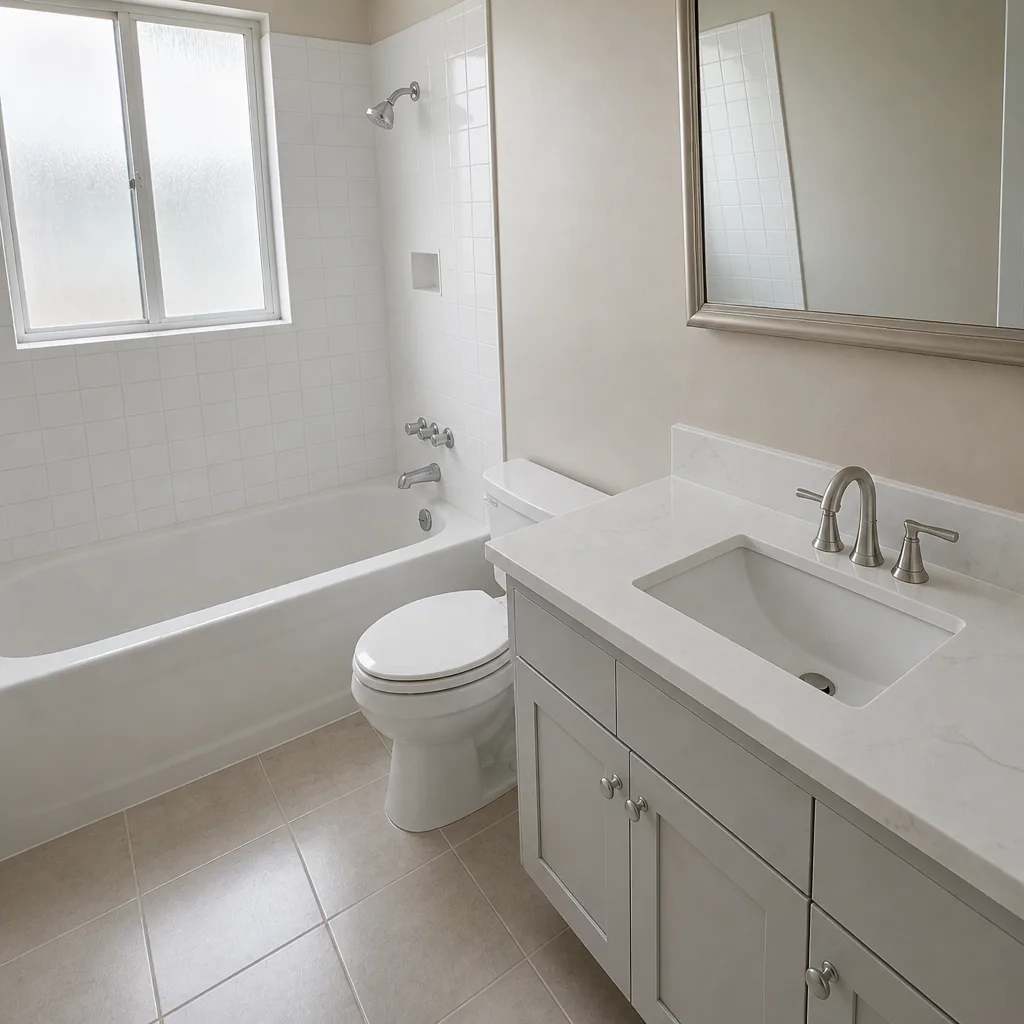 After
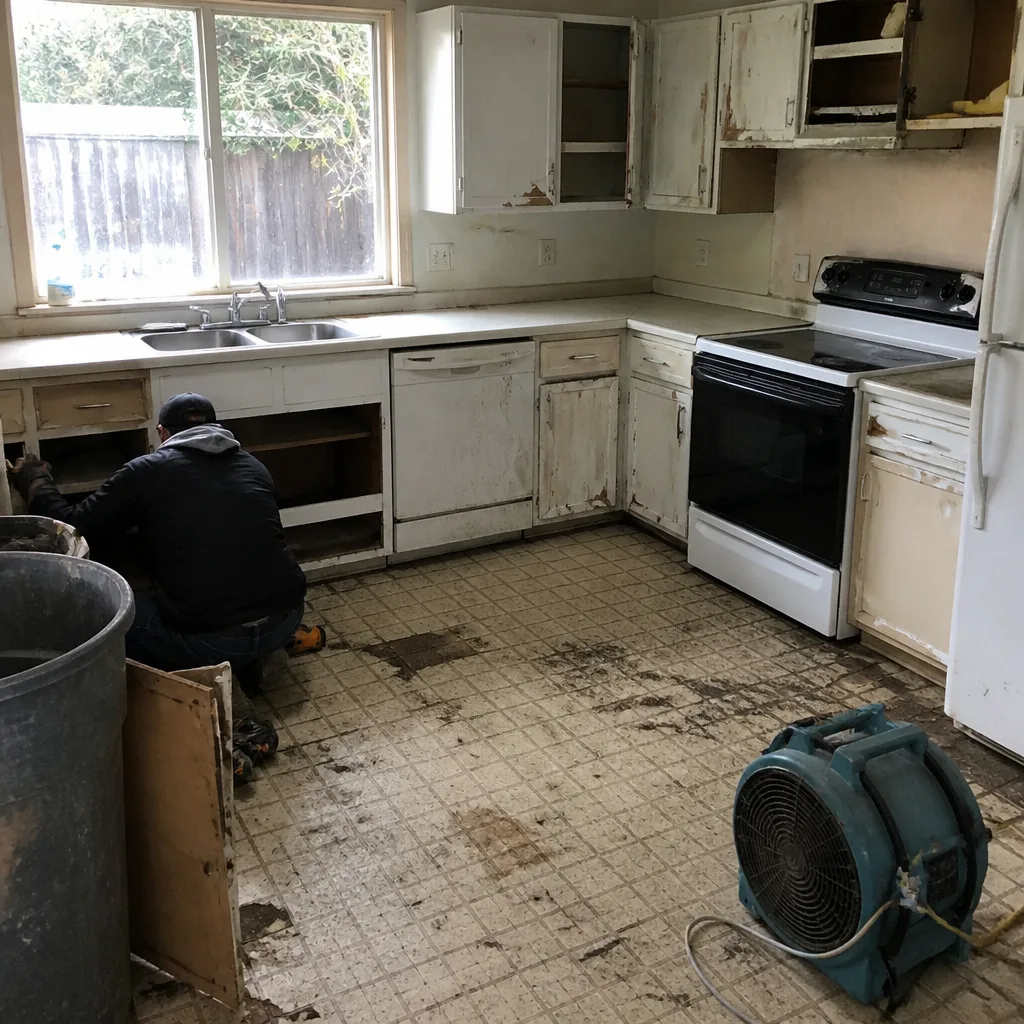 Before
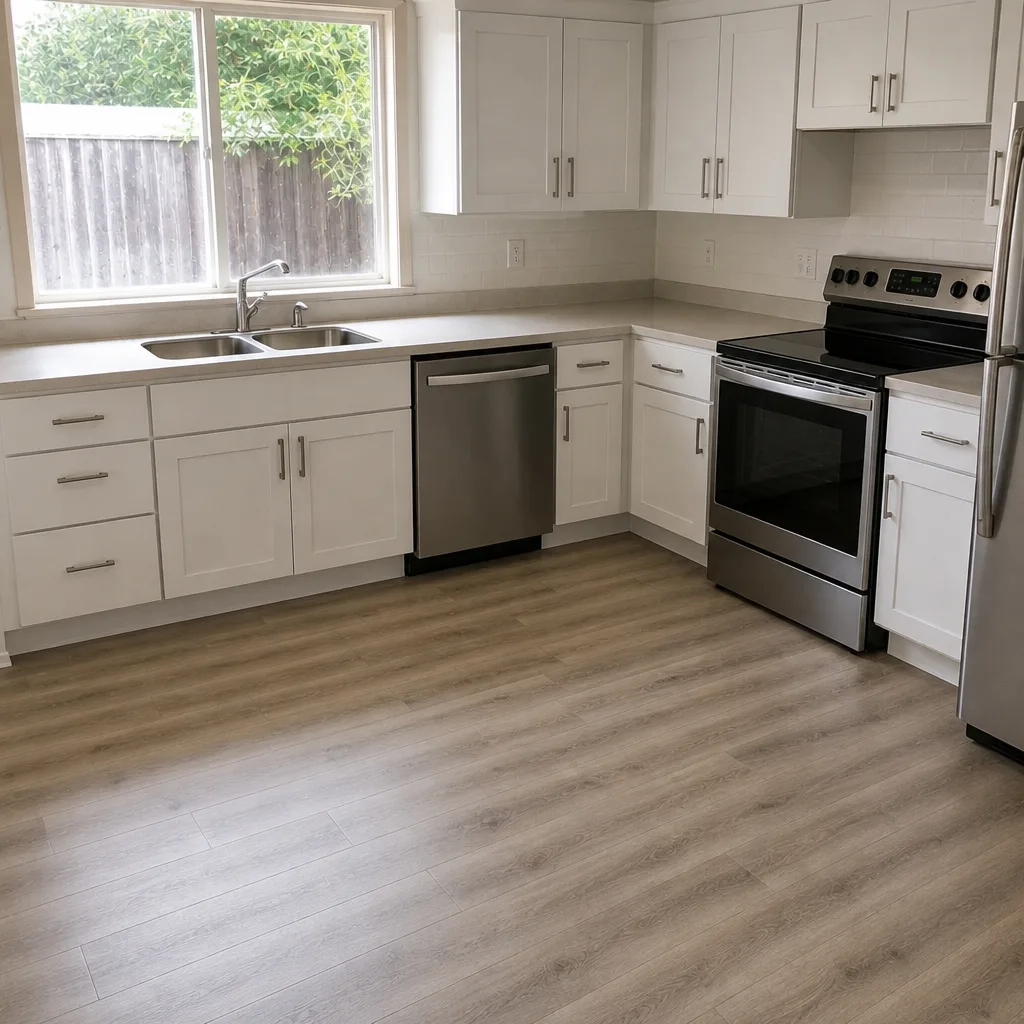 After
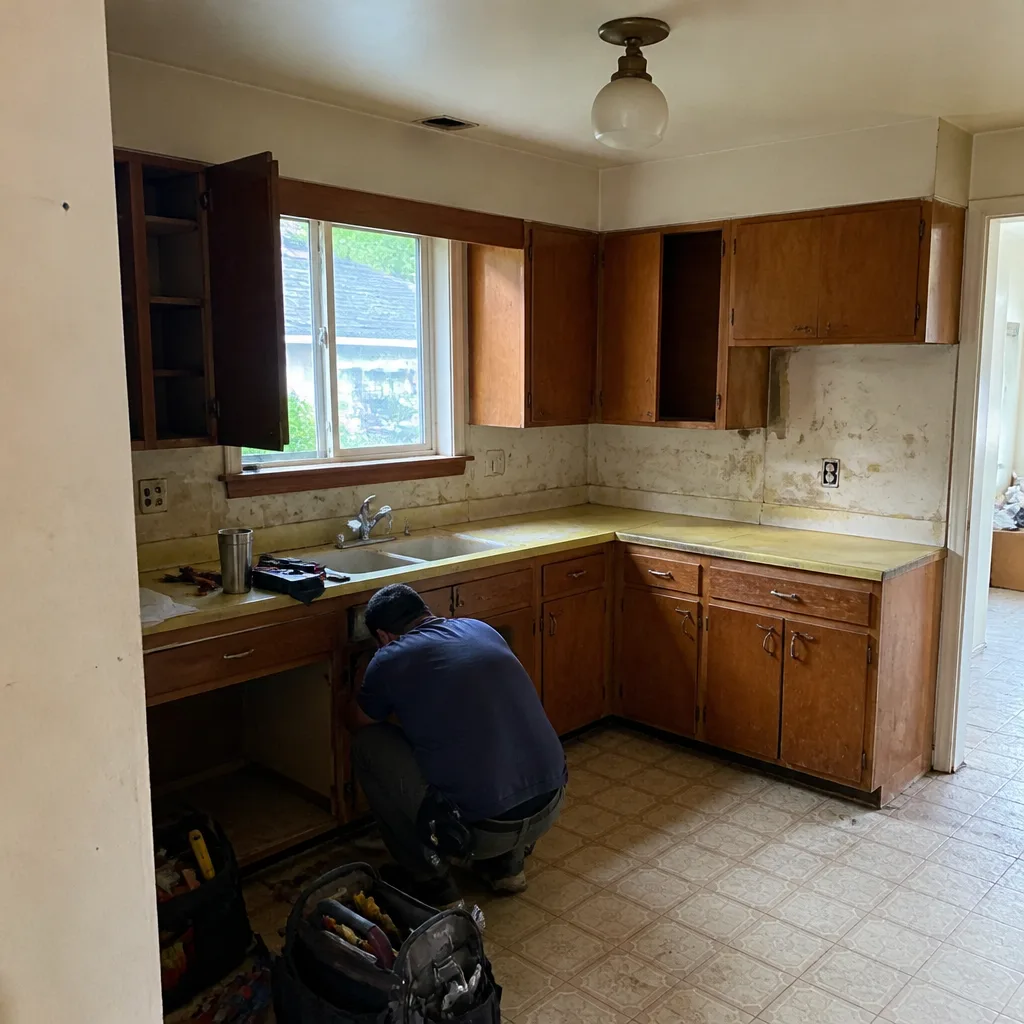 Before
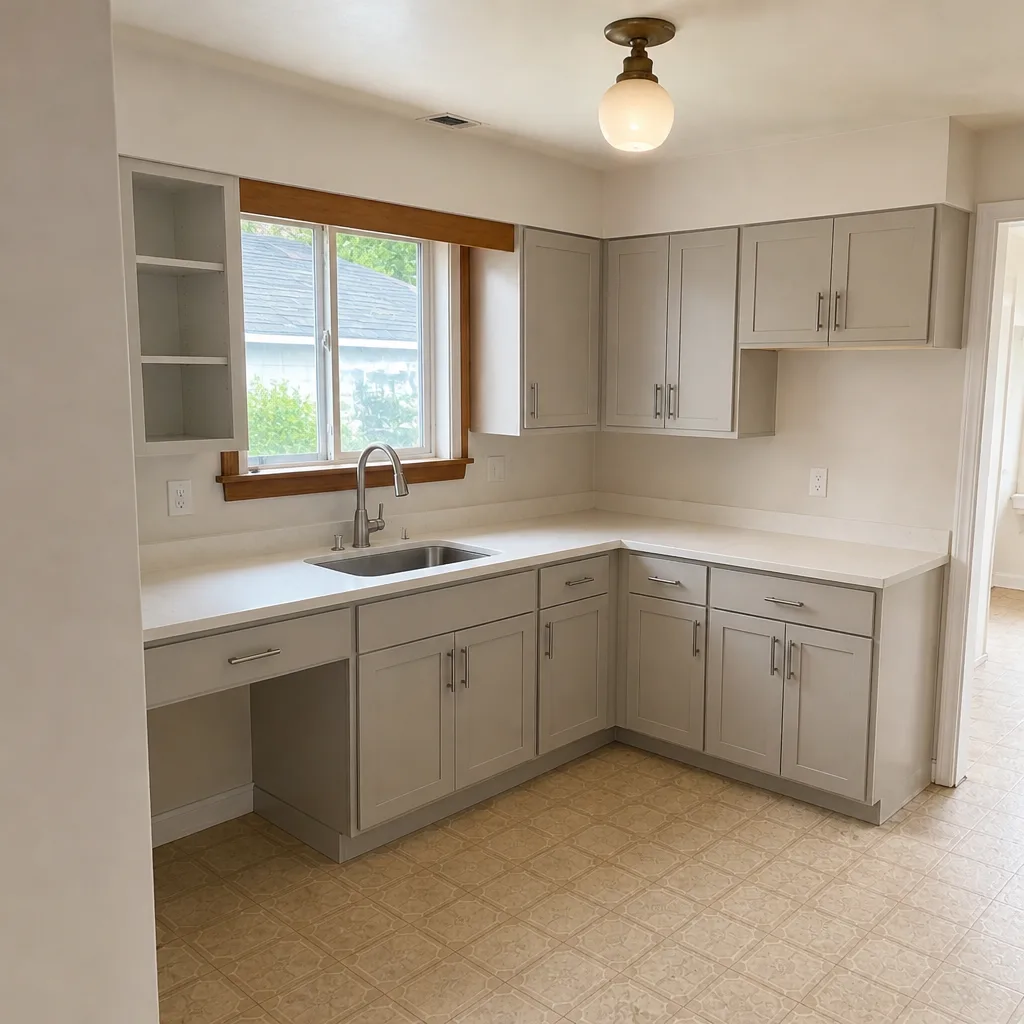 After
When to Call a Professional

Some seasonal care is genuinely DIY, like clearing gutters and checking the grade. Other things really need a professional, and the line is usually around anything structural or hidden. If water is actively entering the house, call immediately rather than waiting for the storm to pass. If you find sustained moisture in the crawl space, failing flashing on the roof, or siding that’s soft or discolored in a way that suggests rot behind it, get an expert to look. Anything involving the roof surface, electrical fixtures or structural materials should be handled by someone trained and insured, not a weekend project. And before you sign on for a summer exterior project, have the scope looked at properly, because what looks like a small repair on a wet-season inspection is sometimes a larger one once the materials come off.
Remodeling Everett offers free estimates in Everett, and we’d rather look at it early than come back to a bigger problem later. Call (425) 366-8456 to schedule your free estimate. We answer 24/7. Fast dispatch from 7am to 7pm, Sunday through Friday. Our technicians have up to 15 years of experience, and every estimate is written line by line so you know exactly what the work involves before anything starts.
Frequently Asked Questions
The dry summer months are the best window for exterior work like roofing, siding, painting and decks. That’s when materials can dry and cure properly. But you need to plan and schedule it in spring, because the summer calendar fills up fast in this region.
Everett averages over 34 inches of rain a year, with most of it between October and April. What matters is that it comes in long, steady stretches rather than short bursts, which means small gaps and failing seals have time to let water in. That’s why fall prep and winter monitoring are worth the effort.
Clear your gutters and downspouts and confirm they drain away from the foundation. Inspect and re-caulk roof penetrations and chimney flashing. Check the crawl space vapor barrier and the grade around the house. Those four items catch most of the preventable winter problems.
Yes, and it’s often the smart move. Kitchens, bathrooms and flooring are interior work that isn’t affected by rain, as long as the crawl space and framing are dry first. The wet months are actually a good time to start planning the summer exterior work alongside an interior project.
Call right away rather than waiting for the storm to pass. If the leak is active, document it with photos and note where the water appears. For non-urgent monitoring, mark damp spots with painter’s tape and keep a written record so the evidence is still there when a contractor looks in dry weather.
Every project is priced per job from a written estimate, so the season itself isn’t what sets the number. What does cost more is waiting until summer to get an estimate for work you want done that same summer, because you lose the option to plan around availability. Getting the estimate in spring keeps your choices open. Call (425) 366-8456 for an exact quote, and estimates are free.
The Bottom Line
Everett’s climate rewards the homeowner who thinks a season ahead. Fall is for prep, winter is for monitoring, spring is for diagnosis and planning, and summer is the window for exterior work. Do the small things before the rain arrives, document what the house does during the wet season, and use spring to decide what gets built. And if one contractor knows the history of your home across the roof, the siding, the crawl space and the interior, you skip the coordination headache and get a plan that treats the house as one system. It isn’t dramatic. It’s just what works here.
Written by the team at Remodeling Everett.