Last updated November 25, 2026

Free written scope consultation - allowances, timeline, and change-order rules on paper before a single trade is scheduled
How to Hire a Construction Contractor in Everett: A Step-by-Step Guide
Most homeowners think the hard part of hiring a contractor is finding the cheapest bid. It isn’t. In our experience across Everett, the bid number tells you almost nothing about whether the person behind it can hold a seven-trade remodel together for four months without it coming apart in month two. Washington’s contractor registration database lists plenty of active registrations in Snohomish County, but a registration is a starting line, not a finish line. This guide walks you through what actually separates a legitimate operation from a liability: how to verify the three things registration doesn’t cover, how to read bids honestly, what to ask about subcontractors, and which contract clauses homeowners sign away without noticing.
Quick Answer
To hire a construction contractor in Everett, verify four things before you sign anything: current Washington State contractor registration, a bond that’s still active, general liability insurance, and a written contract with a clear scope, payment schedule, and change-order process. Then compare at least three written bids line by line, not by bottom line, and confirm who is actually accountable when trades overlap in the middle of a project. Expect the process of scoping and vetting to take two to four weeks on a meaningful renovation, and don’t rush it to save a week you’ll spend later on change orders.
Styles & brands we work with
- Kitchen remodeling
- Bathroom remodeling
- Home additions & ADU
- Roofing
- Windows & doors
- Driveway & pavers
- Fence
Table of Contents
- What Does Washington Contractor Registration Actually Prove?
- Why Single-Trade Specialists Can Cost You More
- How to Compare Contractor Bids Honestly
- Who Is Actually Accountable on a Multi-Trade Job?
- What a Washington Remodeling Contract Should Contain
- Why Everett’s Climate and Housing Stock Matter to Your Project
- How Long Hiring and Building Actually Take
- Common Mistakes to Avoid
What Does Washington Contractor Registration Actually Prove?
Washington State contractor registration proves a business exists, has paid a registration fee to the Department of Labor & Industries, and has a surety bond on file at the required level. That’s it. It does not prove the contractor carries liability insurance, that the bond is large enough to matter on a six-figure remodel, or that the work is competent. Those are three separate checks, and homeowners in Everett routinely do only the first one.
Here’s the part most people miss: the bond protects you against a narrow set of failures, mostly non-payment of laborers or suppliers, and the bond amount is far smaller than the cost of a wrecked remodel. Liability insurance is what actually protects your home if a worker damages a water line or a ladder goes through a window. They get confused constantly because they’re often mentioned in the same sentence.
You can verify all three in under ten minutes:
- Pull the contractor’s registration status on the L&I website. Confirm it’s active, not suspended, and that the legal business name matches what’s on the bid.
- Ask for a certificate of insurance directly from the contractor’s insurance agent, not a photocopy. The certificate should name a general liability policy, show the coverage period, and list current policy dates.
- Ask for the bond number and confirm it’s active. A bond that lapsed three months ago shows up on the same site as the registration.
- Match the name on the registration, the insurance certificate, and the bid. If they don’t all match, stop and ask why.
Everett contractors working in older parts of the city, like Bayside or the blocks near the waterfront, also need to be current on permits pulled through the city’s building department. Registration doesn’t confirm permit history. That’s a separate call.
Why Single-Trade Specialists Can Cost You More
A roofer who does only roofing is often excellent at roofing. A cabinet installer who does only cabinets is often excellent at cabinets. The problem isn’t competence; it’s coordination. When a kitchen remodel involves cabinets, countertops, plumbing fixtures, tile, electrical, drywall and paint, and each of those comes from a different business, the seams between them are where projects break. Somebody has to schedule the plumber after the cabinets are in and before the countertops get templated; if nobody owns that sequence, the project stalls and the drywall gets opened back up twice.
This is why homeowners doing a whole-home or combination project in Everett often end up hiring a full-scope contractor instead, even when a specialist would be cheaper on paper. One accountable party means one schedule, one warranty conversation, and one phone number when something goes wrong between trades. If you’re weighing a single-room refresh against a larger scope, our guide to home remodeling explains how the scope changes the hiring question.
To test a specialist before you commit, ask these four questions:
- Who is coordinating with the other trades on this job, and is that person on your payroll?
- If your work is delayed because the electrician is late, what happens to the schedule and the price?
- Are you pulling the permits, or am I?
- If your part causes damage to another trade’s work, who pays to fix it?
A specialist who has clear answers to those questions is worth hiring. A specialist who gets uncomfortable is telling you something. One contractor with every scope, from kitchen countertops to an ADU addition, removes the coordination problem entirely, and that’s how we approach projects in Everett.
How to Compare Contractor Bids Honestly
The lowest bid is almost never the lowest cost. The number homeowners compare on the front page is the one line most likely to change, and the details that determine whether it holds up live on the pages behind it. Read bids by scope, not by total, and compare the same line items side by side.
Here’s where padding and omissions usually show up:
- Missing line items. A bid that doesn’t list permit fees, dumpster rental, demolition, or finish trim separately is either including them silently (fine, if the total reflects it) or planning to add them as change orders. Ask which.
- Vague allowances. A $2,000 allowance for countertops when Cambria, Silestone or Caesarstone at typical mid-grade levels runs higher than that in most Everett kitchens means a guaranteed change order later. Allowances should reflect real material cost, not a placeholder.
- Padded mobilization and “general conditions.” A reasonable general conditions line covers supervision, cleanup and site protection. A line that’s 20% of the job with no breakdown is padding.
- Suspiciously low labor. If labor is significantly below the other bids, either the contractor is losing money (and will find a way out), or the scope doesn’t match.
- No line-item detail at all. A one-page bid with a single total is not a bid; it’s a wish.
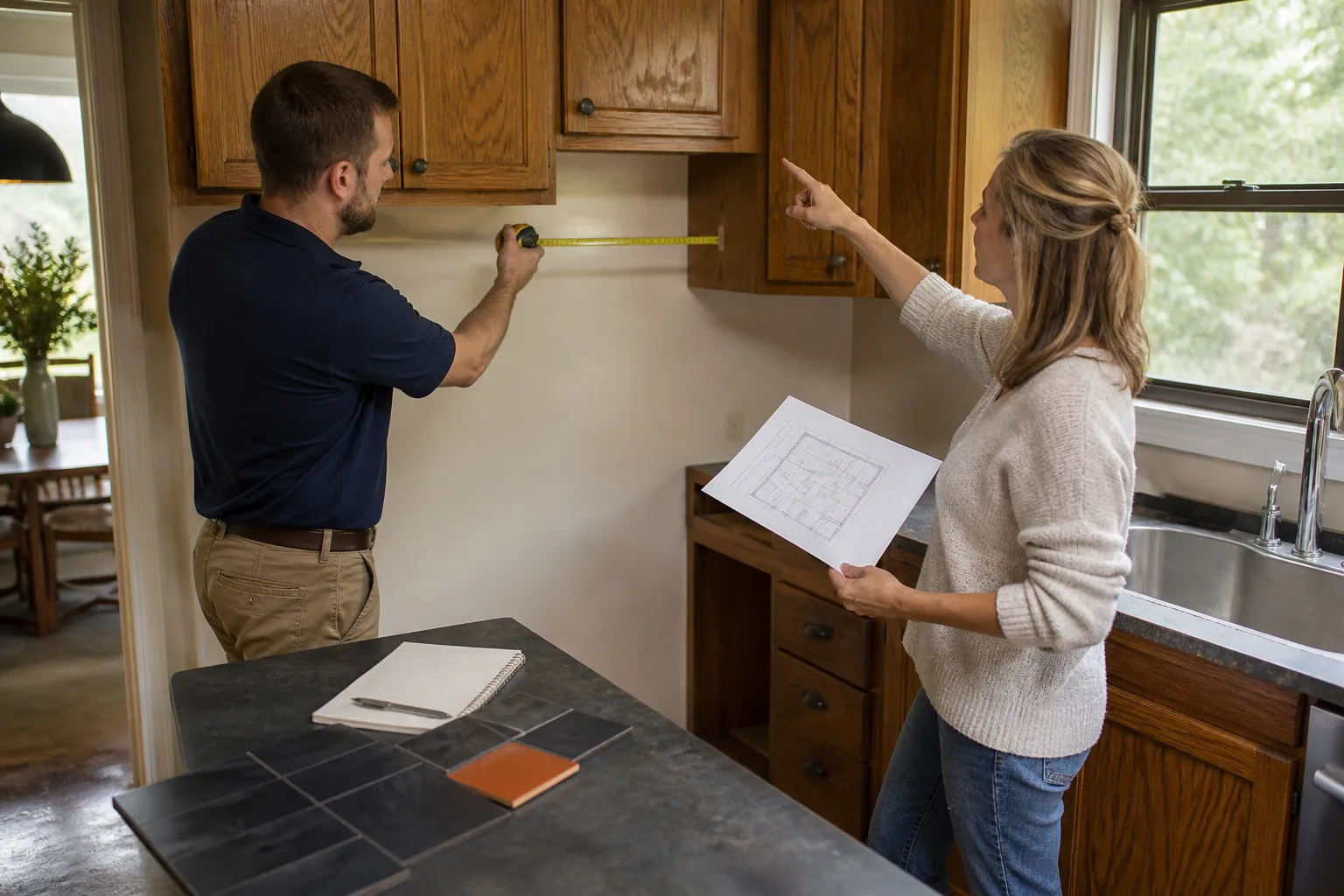
Ask for the written estimate to be itemized, and ask each contractor to break out labor and materials separately. We always put a written, line-item estimate in front of a homeowner before any work is scheduled, because it’s the only way to compare fairly. For a kitchen specifically, request the cabinet brand (KraftMaid and Wellborn are two common semi-custom lines), the countertop brand, and the fixture brands so you can tell whether two bids are actually quoting the same kitchen. If they aren’t, the lower number is not the lower price on the same scope.
Who Is Actually Accountable on a Multi-Trade Job?
On a typical whole-home or combination project, most of the people swinging hammers won’t be employees of the company you hired. They’ll be subcontractors. That’s normal and often the right way to build. What matters is whether the company you hired is accountable for those subs’ work, not whether the work was done by an employee. Ask directly: “If your electrician installs a switch in the wrong spot and the drywall is already up, who pays to fix it and who schedules the fix?” The answer should be one person: the contractor, not you.
Ask these questions before signing:
- Which parts of this job will be done by subcontractors, and which by your own people?
- Are your subs licensed and insured as required in Washington, and can you show me their certificates?
- Who is my single point of contact from start to finish, and is that person on the jobsite weekly?
- If a sub’s work fails inspection, who pays for the rework and the re-inspection?
- When I call about a problem during the build, who answers, and how long until someone is on site?
A contractor who treats the subcontractor question defensively is not the one to hire. A legitimate operation will tell you which trades they use subs for, name their subs’ licensing status, and own the outcome. That single-point accountability is a large part of why we handle interior and exterior work under one roof, from cabinets to siding.
What a Washington Remodeling Contract Should Contain
A written contract is legally required for residential work in Washington above a low dollar threshold, and it should be specific enough that two people could read it and agree on what gets built. Most signed contracts on home remodels in Everett are technically valid but practically thin, and thin contracts are what produce disputes six months later.
Your contract should include:
- Full scope in writing, with a line-item list of what’s included and, importantly, what’s excluded.
- Material selections by brand and model, not generic categories. “Quartz countertop” is not a specification; “Cambria in [stone name]” is closer.
- Payment schedule tied to milestones, not to dates. A payment should be due when a phase is complete and verified, not on the 15th of the month regardless of progress.
- Change-order process in writing, including who signs off, how price changes are calculated, and what happens if the change impacts the schedule.
- Permit and inspection language, naming who pulls permits and who’s responsible for passing inspections.
- Warranty terms, including labor warranty length and what happens to manufacturer warranties (GAF, CertainTeed, Owens Corning and James Hardie all have their own warranty terms) if the installation isn’t done to spec.
- Dispute resolution process, including any arbitration clause.
Three clauses homeowners routinely sign without noticing: a broad arbitration clause that may limit your right to sue; a “time is not of the essence” clause that allows the contractor to take much longer than the schedule without penalty; and a materials escalation clause that allows material prices to rise mid-project with no cap. None of these is automatically a deal-breaker, but each one should be read and, if you don’t like it, negotiated before you sign. Ask: “What happens if materials go up 10% mid-build?” The answer should be in the contract, not in a verbal promise.
Why Everett’s Climate and Housing Stock Matter to Your Project
Everett sits in a maritime climate with wet winters and cool, damp springs, and that matters to remodeling in ways that aren’t obvious until they cost you. Exterior work in Everett depends on dry windows in the schedule; roofing, painting, and siding can’t proceed in rain, and a contractor who doesn’t build weather contingencies into the timeline is either going to rush the work or leave you waiting. Materials choices matter here too: James Hardie siding and properly flashed, ventilated installations handle the moisture load better than some alternatives, and entry doors like Therma-Tru and impact-rated options get specified partly for weather performance rather than only looks.
The housing stock matters just as much. Parts of Everett, especially the older neighborhoods near the waterfront and downtown, have homes that were built decades ago with construction methods that don’t match modern code. Opening a wall on an older Everett house often reveals framing, wiring, or plumbing that requires an update mid-project. This isn’t a failure of the contractor; it’s the reality of the city’s housing. The right question to ask before you sign is: “What’s your process for handling unexpected conditions behind the walls, and how are those handled in the contract?”
Permits in Everett are pulled through the city’s building department, and the department’s review time can vary significantly by project type. A bathroom or kitchen remodel typically moves faster than an ADU or an addition. The contractor should be the one managing the permit process, and the schedule should reflect permit review honestly rather than pretending permits are instant.
How Long Hiring and Building Actually Take
Most homeowners underestimate the front end and overestimate the back end. Hiring the right contractor for a meaningful project in Everett usually takes two to four weeks once you start vetting seriously: requests for bids, walks on site, written estimates, comparison, insurance and registration verification, contract review. That process is worth a few weeks, and rushing it rarely saves money.
Build time depends on scope:
| Project Type | Typical Build Timeline | Primary Variables |
|---|---|---|
| Bathroom refresh or remodel | 3-6 weeks | Tile work, fixture lead times, permit review |
| Kitchen remodel | 6-10 weeks | Cabinet lead times (KraftMaid, Wellborn), countertop templating (Cambria, Silestone, Caesarstone), appliance delivery |
| Flooring and interior paint | 1-3 weeks | Square footage, prep work, drying time in damp weather |
| Exterior: roofing, siding, windows | 2-6 weeks | Weather windows, material lead times |
| Whole-home remodel | 3-6 months | Scope, structural changes, permit sequencing |
| ADU or addition | 4-8 months | Permit review, site prep, foundation and framing sequence |
These are typical ranges, not promises. The written estimate and the signed contract are what actually set the schedule. Ask each contractor: “What in this timeline depends on things outside your control, and how will you tell me if it slips?”
See the difference
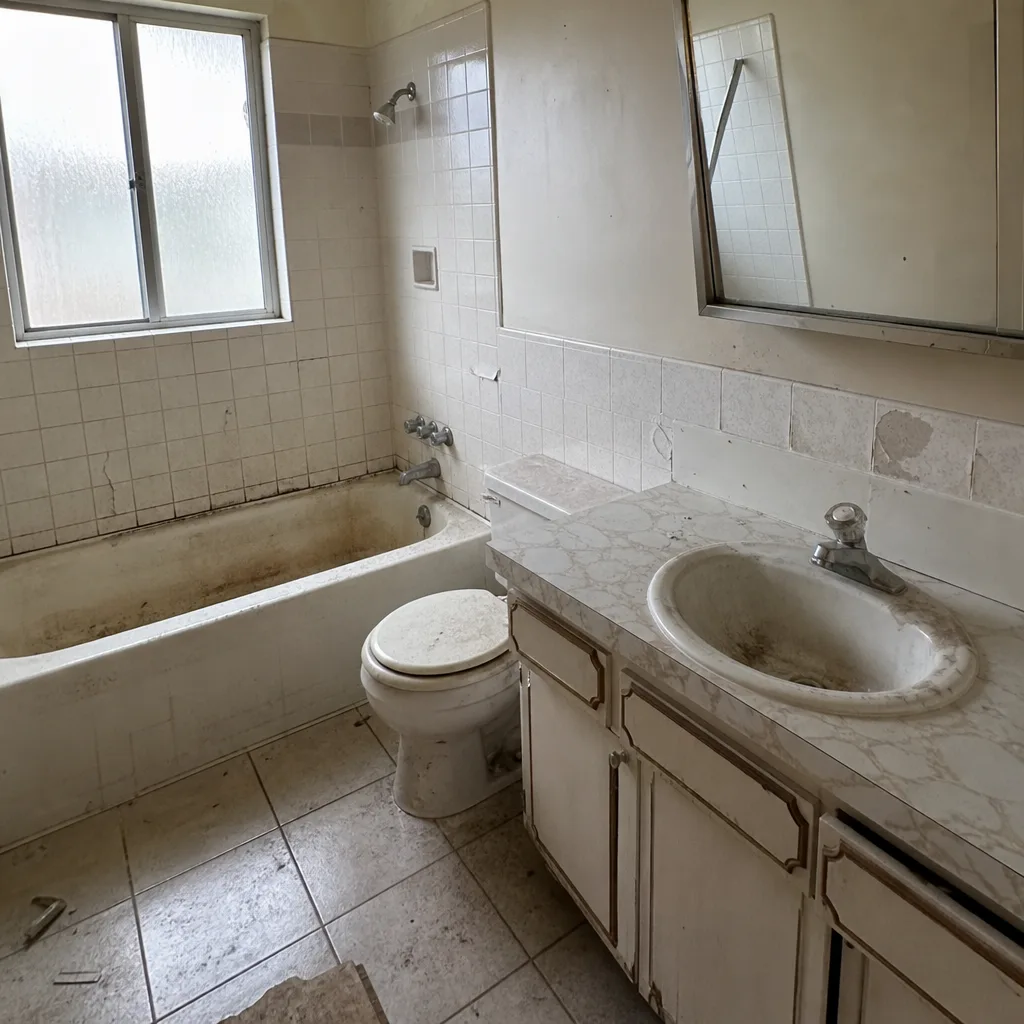 Before
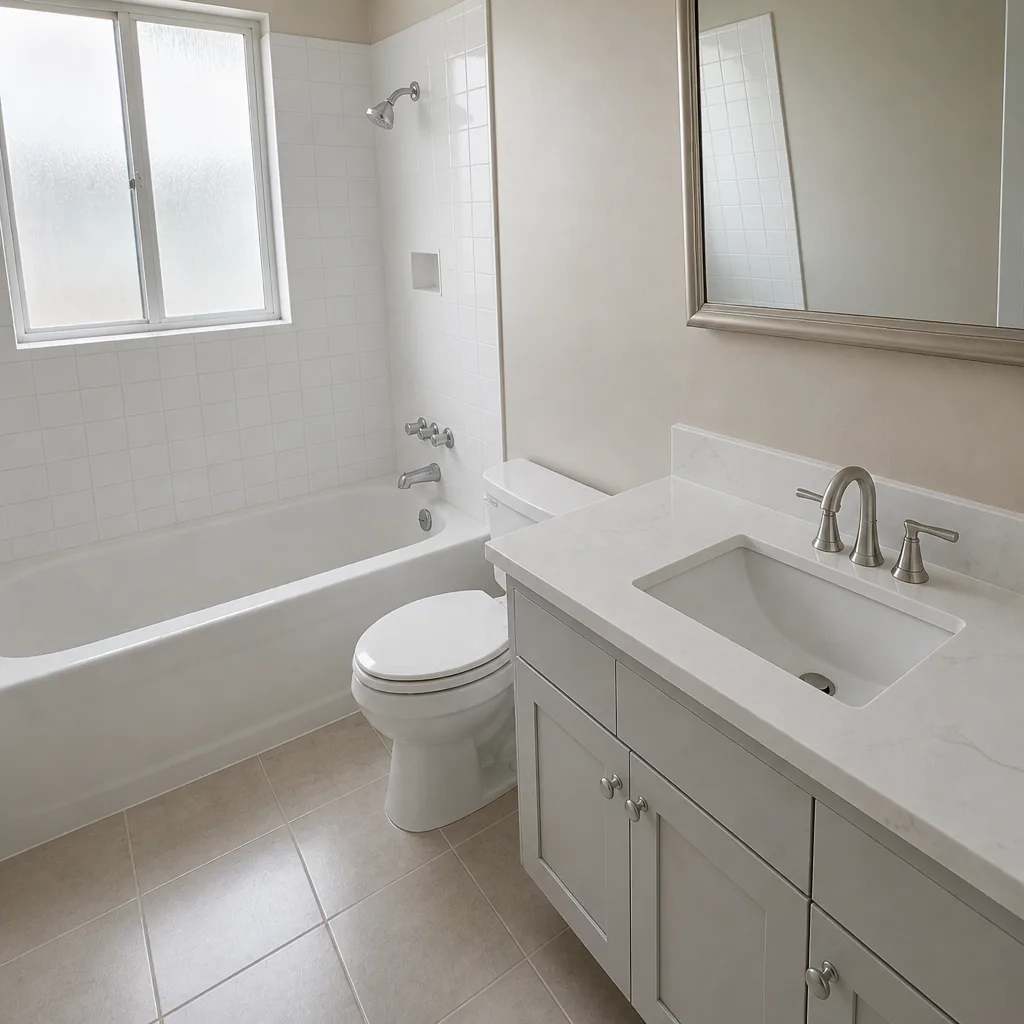 After
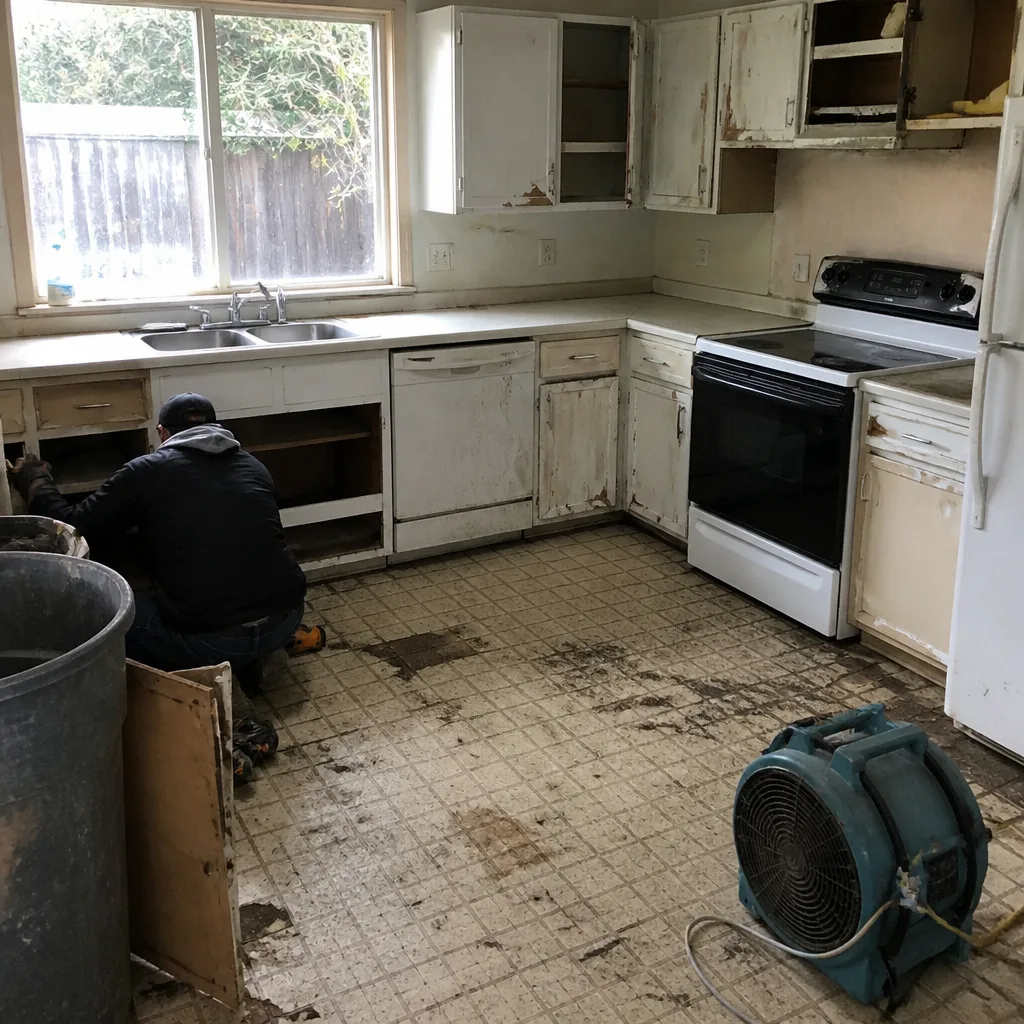 Before
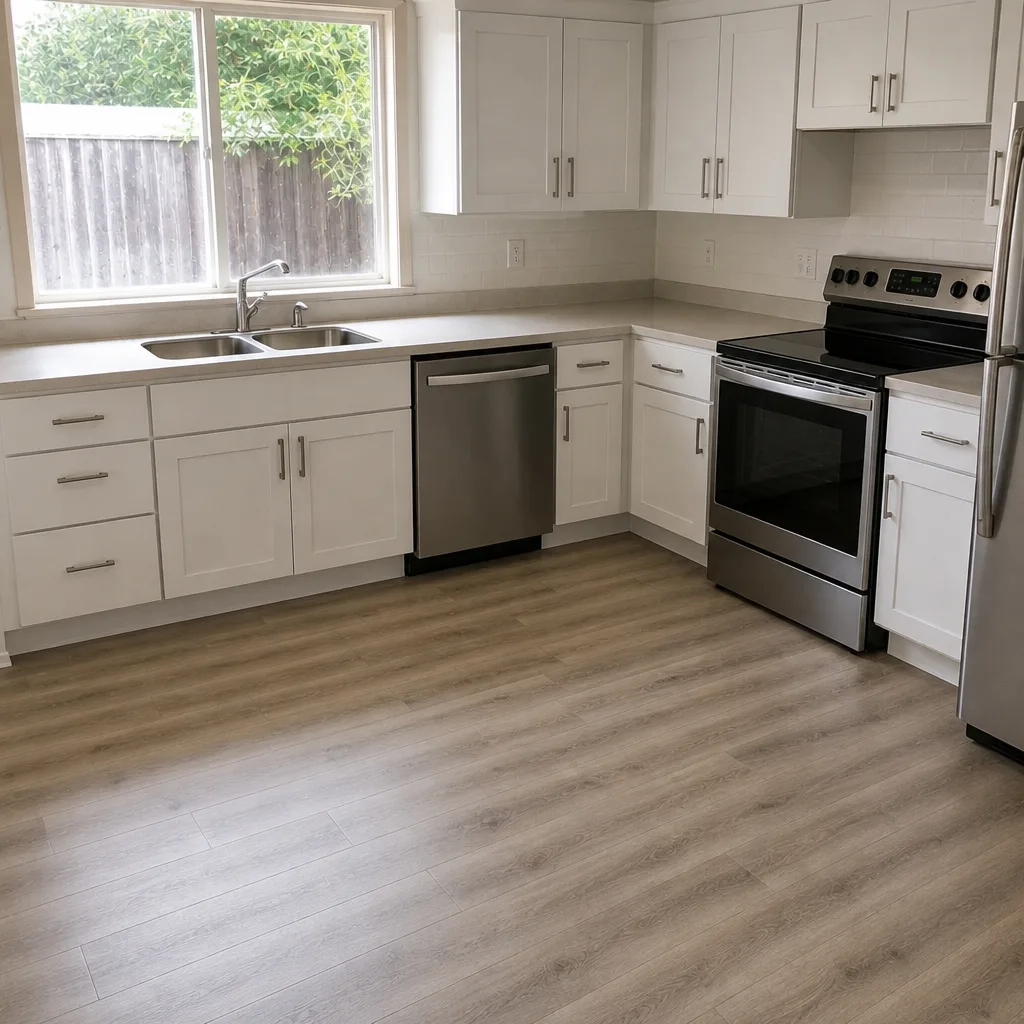 After
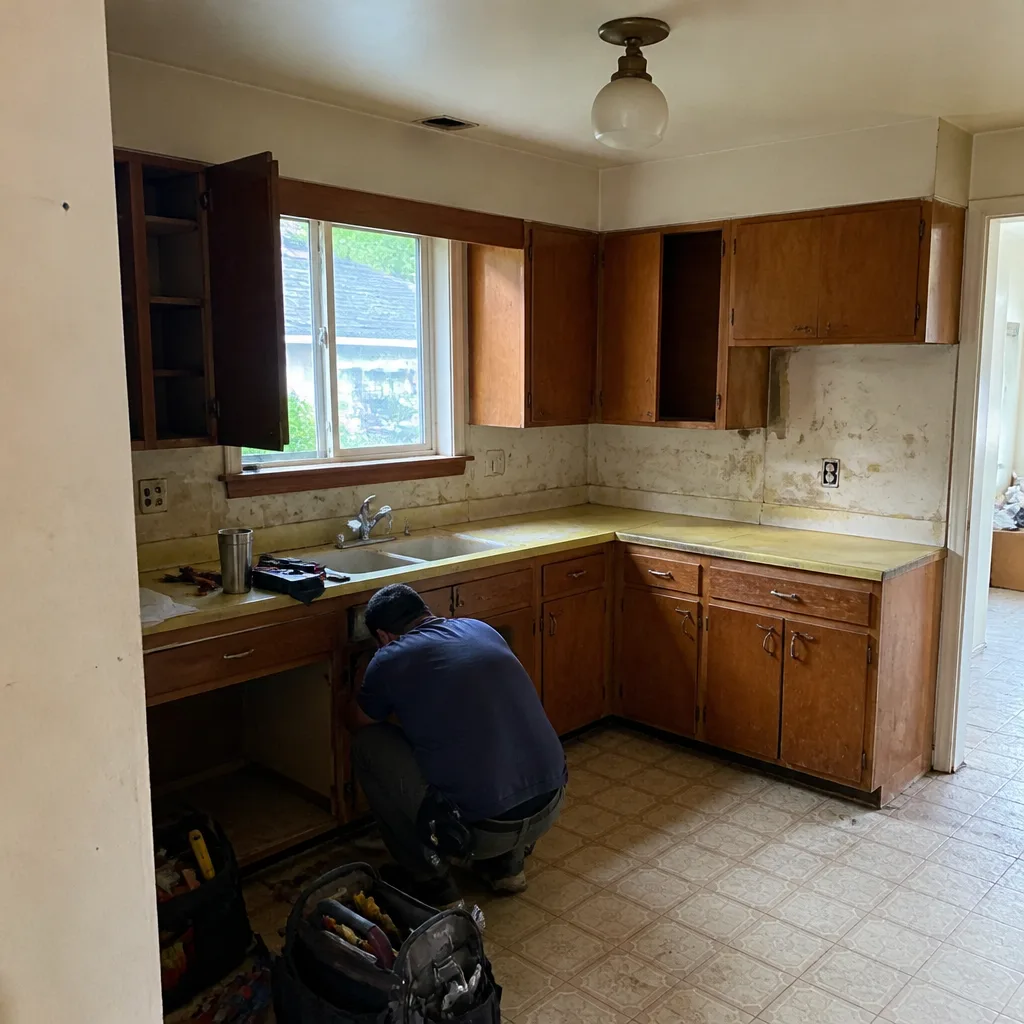 Before
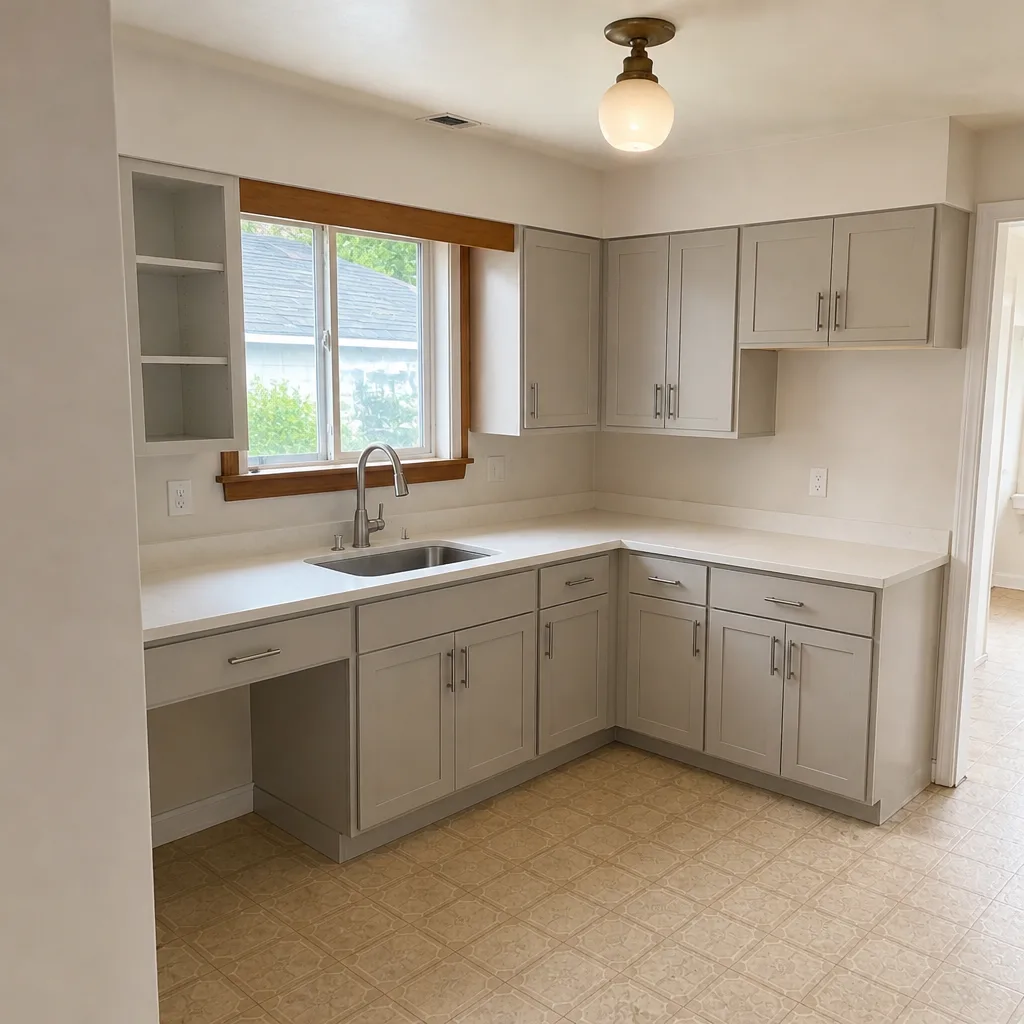 After
Common Mistakes to Avoid
- Confusing registration with insurance. A current Washington registration is the baseline, not proof you’re protected. Get the insurance certificate from the agent, not a photocopy.
- Comparing bids by bottom line. Two bids with the same total for a kitchen in Everett can describe completely different kitchens. Compare scope, brand names, and allowances line by line.
- Paying a large deposit up front. A payment schedule tied to milestones is normal; a large chunk due before any work starts is a warning sign. Keep money moving with progress.
- Assuming one contractor will handle the whole job. Confirm in writing who handles each trade, especially if you’re comparing specialists with a full-scope contractor.
- Skipping the contract review. The arbitration, escalation and schedule clauses are the ones that actually get used. Read them.
- Ignoring the moisture reality. Everett’s wet seasons are real. Exterior projects that don’t build weather windows into the schedule often drag and produce rushed work at the end.
- Choosing on price and vibe. Both matter, but neither substitutes for verifying registration, bond, insurance, and a real written contract.
When to Call a Professional
Call a professional contractor when your project involves more than one trade, requires a permit through the city of Everett, or touches anything structural. Opening a wall, moving plumbing or electrical, replacing windows and doors, or reconfiguring a kitchen layout all fall in this range. Multi-room or whole-home projects absolutely need one accountable contractor who can sequence trades and hold the warranty. If your project is a single surface refresh without moving anything mechanical, you may not need a full contractor, but you still need insurance and a written scope. For projects with real scope, consult a professional before you buy materials; the material choice and the installation method are one decision, not two. Examples include the plumbing fixtures behind the wall (Kohler, Moen, Toto, Grohe), the roofing under the shingles (GAF, CertainTeed, Owens Corning), and the doors (Therma-Tru, PGT, ViewLux). Remodeling Everett offers free estimates in Everett; call (425) 366-8456 to schedule one.
Frequently Asked Questions
Use the Washington State Department of Labor & Industries contractor registration lookup online. Search for the legal business name on the bid and confirm the status is active, not suspended, and that the name on the registration matches the name on your contract.
No. Registration and insurance are separate requirements. Registration requires a bond, not general liability insurance. Ask for a certificate of insurance sent from the contractor’s agent, confirm the policy is current, and verify the coverage amounts fit the size of your remodel.
Often on paper, and often not in practice. A specialist’s bid may be lower for their trade alone, but when several trades overlap on the same project, the coordination cost (delays, rework, warranty disputes) usually lands on the homeowner. On a combination or whole-home project, a single accountable contractor is usually the lower total cost.
Ranges vary widely by scope, materials and whether the layout changes. A bathroom refresh typically costs less than a full gut; a kitchen depends heavily on whether cabinets and countertops are replaced and whether plumbing or electrical moves. Get three written, line-item estimates from Everett contractors and request the estimate in writing with brand-level material specifications. Call (425) 366-8456 for a free estimate tailored to your project.
Only through a written change order that you sign, if the contract is written correctly. Typical reasons for a change order include conditions found behind the walls, a material upgrade, or a scope addition you requested. Ask each contractor to spell out the change-order process and the materials escalation terms in the contract before you sign.
The contractor should pull the permits. Permit responsibility belongs in the contract, and the building department should be able to confirm that the permit is issued to the contractor, not to you. If a contractor suggests you pull permits under your own name, push back; it usually shifts liability to you.
The Bottom Line
The right contractor for a project in Everett is the one whose registration, bond and insurance you’ve verified with your own eyes, whose bid you’ve compared line by line, who can tell you exactly which trades they subcontract and who answers for it, and who will sign a contract with a milestone-based payment schedule and a real change-order process. The cheapest number on the front page is the least useful piece of information on the bid. Give yourself two to four weeks for the vetting and scoping process. It’s the best time you’ll spend on the whole project. And when you’re ready, call us for a free, written, line-item estimate.
For a meaningful remodel in Everett, whether that’s a kitchen, a bathroom, or a whole-home transformation, we bring the full lineup and one point of accountability. From the first tile to the last coat of paint, plus the siding, roof and doors, it’s one relationship. Call (425) 366-8456 for a free estimate. We answer 24/7. Fast dispatch from 7am to 7pm, Sunday through Friday.
If you’re just starting to map out the project, our overview of Remodeling Everett is the right place to begin, and if the work centers on one room, look at our guides to kitchen remodeling and bathroom remodeling for scope and material decisions before you request bids.
Written by the team at Remodeling Everett.